








Why Installer Choice Matters More Than Product Choice
We say this a lot: 90% of turf failures are installation failures, not product failures (see our 10 common mistakes post). A $4/sqft turf installed correctly outlasts a $9/sqft turf installed badly. Picking the right installer matters more than picking the right SKU.
Before You Call Anyone
Do these three things first:
- Measure your yard and get a rough square-footage figure using our project calculator
- Decide your use case — pet-primary, kid-primary, pool, sport court, decorative — so you can ask product-specific questions
- Order free samples so you have real product in your hand when you compare installer bids
The 10 Questions to Ask Every Installer
1. "Are you licensed and bonded in this state?"
Rules vary by state. California (CSLB), Arizona (ROC), Nevada (NSCB) all require landscape contractor licenses above a certain project size. Your state's contractor license board publishes a free lookup. California's is at CSLB license check. Verify before you sign.
2. "What's your general liability insurance coverage?"
Minimum: $1M general liability. Ask for a current certificate of insurance. If they hesitate, walk away.
3. "How deep is your base excavation and what aggregate do you use?"
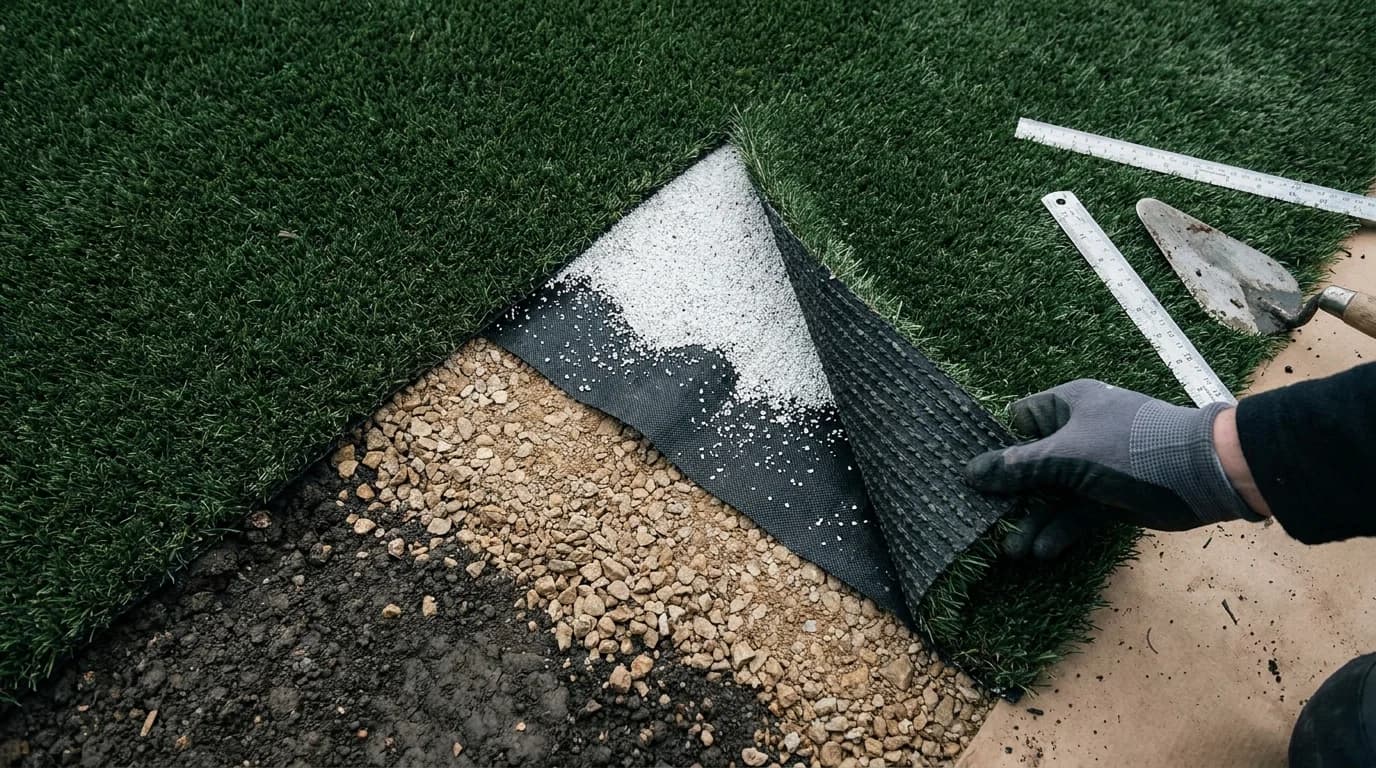
The right answer: 3–4 inches of Class II road base or decomposed granite, compacted to 95%+ density, with 1–2% slope. If the answer is "we just lay it on top of the dirt," walk away.
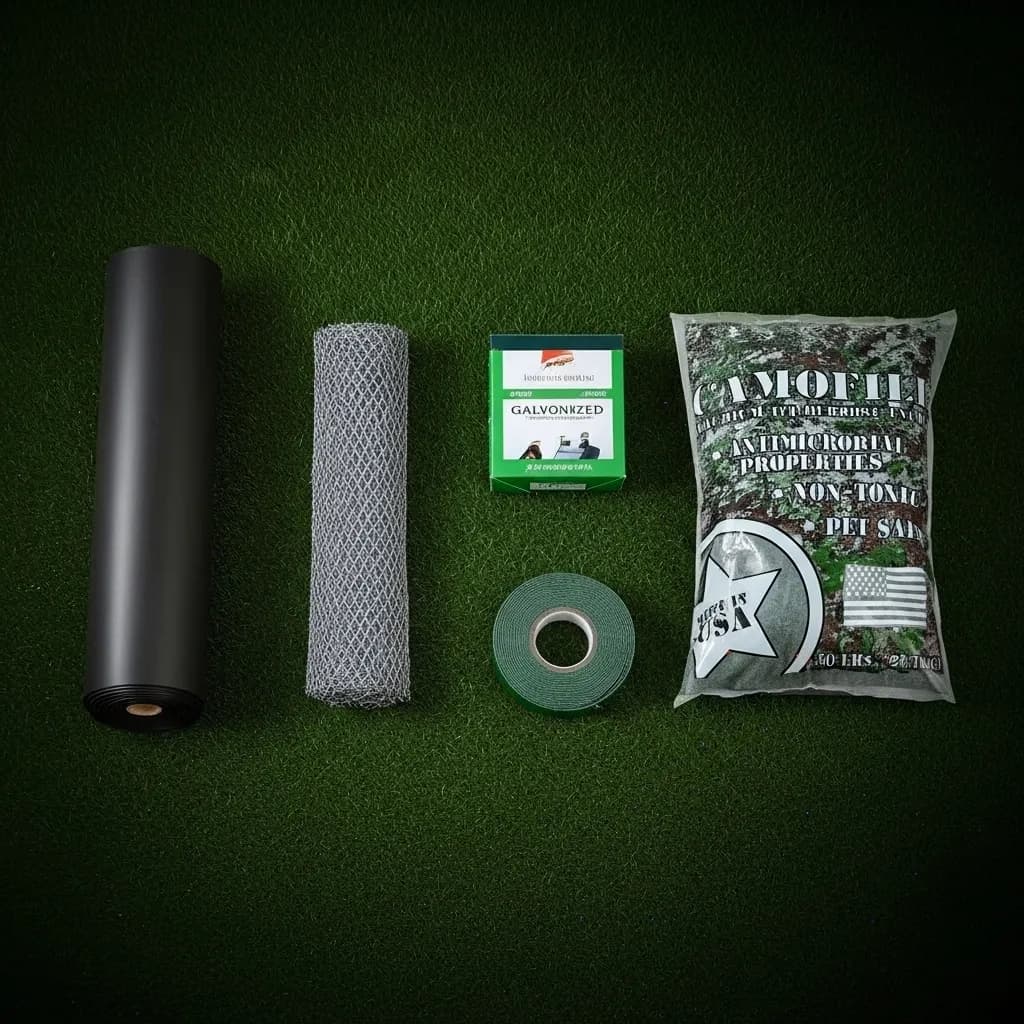
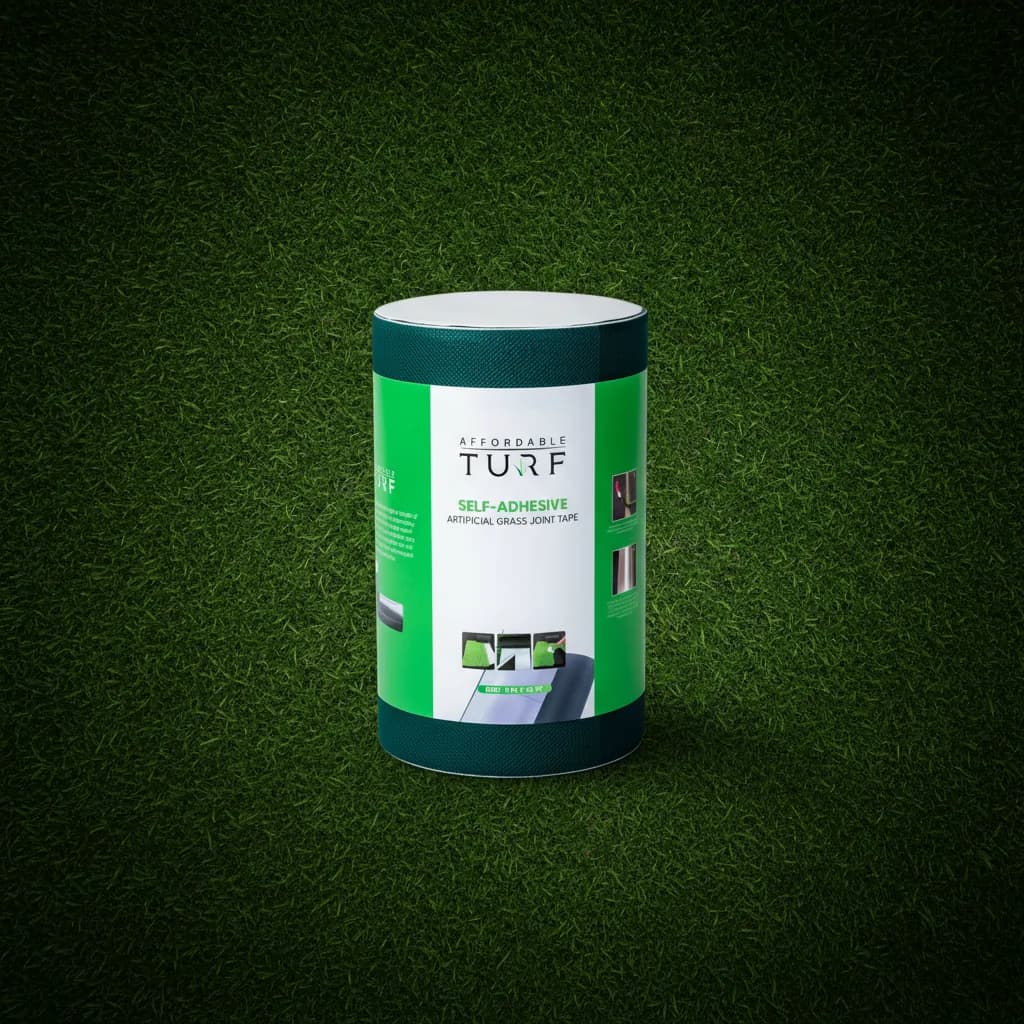
4. "Do you use seaming tape and polyurethane adhesive, or just overlap?"
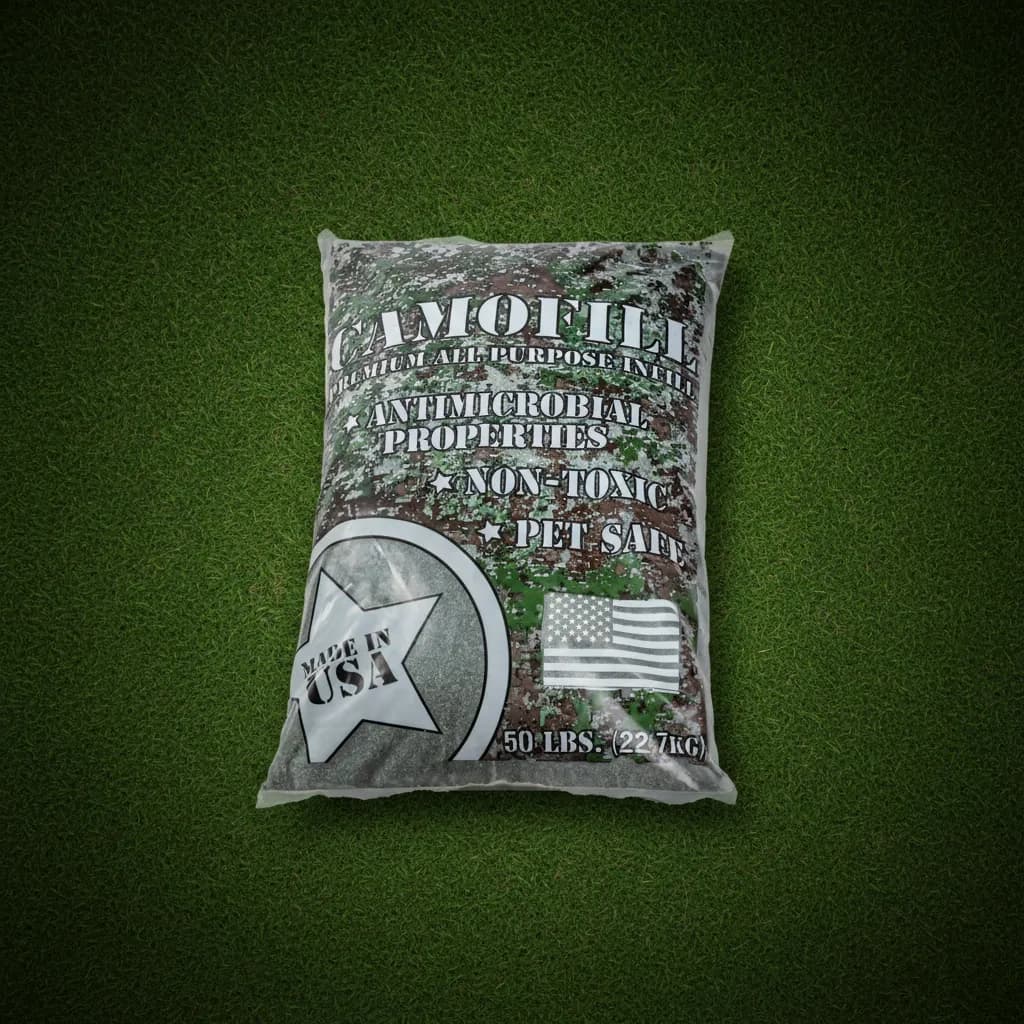
Overlapped seams fail within a season. The correct answer involves tape + glue. Our infill guide touches on seam best practices.
5. "What's the manufacturer warranty on the turf you install, and how do I register it?"
Quality residential turf carries a 15–16 year warranty. Our warranty page covers how registration works. A good installer walks you through registration at completion.
6. "Who performs warranty service if there's a defect?"
Some installers walk away after install and leave warranty claims to the manufacturer. Others handle it directly. Clarify in writing.
7. "Can I see 3 recent local installs I can drive by?"
Legit installers love showing off completed work. If they can't name 3 recent jobs within 30 minutes of you, be skeptical.
8. "What's your payment schedule?"
Standard: 25–50% down, 25% at material delivery, balance on completion. Never pay 100% up front. Any installer demanding full payment before work starts is a red flag.
9. "What's included in the quote — base aggregate, infill, haul-away of old sod?"
Lowball quotes often exclude base materials or sod removal, then come back as change orders. Insist on an itemized bid.
10. "What's your turnaround from signed contract to install?"
Typical range: 2–6 weeks depending on season. See our spring install timeline. Promises of "we can start Monday" during peak season are a red flag — it usually means they're desperate for work.
Red Flags That Should Make You Walk Away
- Unmarked trucks and no business address. Legit contractors have both.
- "Cash only" pricing. Suggests they're avoiding taxes and may not be insured.
- No written contract or a contract missing scope, timeline, and warranty terms
- High-pressure "today only" discounts. Real installers price on labor + materials, not FOMO.
- Door-knocking after a storm/drought event. Storm-chasing contractors move town to town and are long gone by the time problems appear. The Better Business Bureau publishes alerts on this pattern.
When to DIY Instead
If your project is under 300 sq ft, DIY often makes sense. See our DIY installation guide and the conversion guide for step-by-step procedures.
Our Installer Network
For installs we can vet directly, see our installer network page. Every partner carries proper licensing, insurance, and manufacturer certification. For wholesale and multi-unit projects, our broker program handles the vetting on your behalf.
Ready to Get Bids?
Get 2–3 quotes before signing anything. Reach out via the contact page if you want our team to introduce you to vetted installers in your zip code.