


Why Turf Is a Fire-Safety Conversation Now
In California, Colorado, Nevada, Utah, Arizona, and parts of the Pacific Northwest, "defensible space" around a home is no longer optional. Insurers are canceling policies on homes without it. Local codes require it. And homeowners are rebuilding landscapes with fire resilience as a primary design driver.
Artificial turf fits into this picture — but only the right product, installed correctly.
Defensible Space: The 5-30-100 Zone Concept
Fire agencies divide your property into three zones:
- Zone 1 (0–5 ft from the house): "Ember-resistant zone." No flammable material, hardscape or non-combustible ground cover only.
- Zone 2 (5–30 ft): "Lean, clean, green" zone. Low plants, mowed turf, mulch alternatives.
- Zone 3 (30–100 ft): Reduced fuel. Pruned trees, cleared ladder fuels.
The authoritative source is CAL FIRE Defensible Space. The NFPA Firewise USA program publishes the same framework nationally.
Where Artificial Turf Belongs
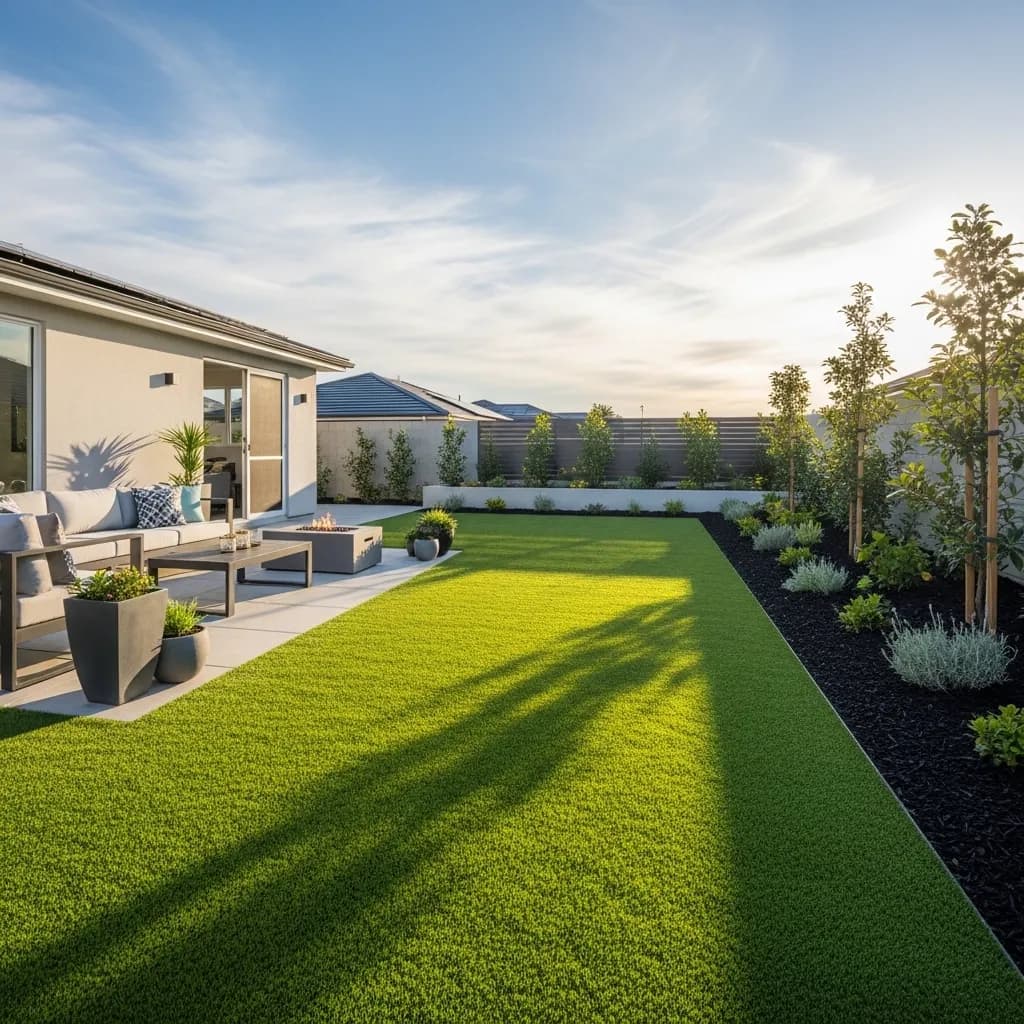
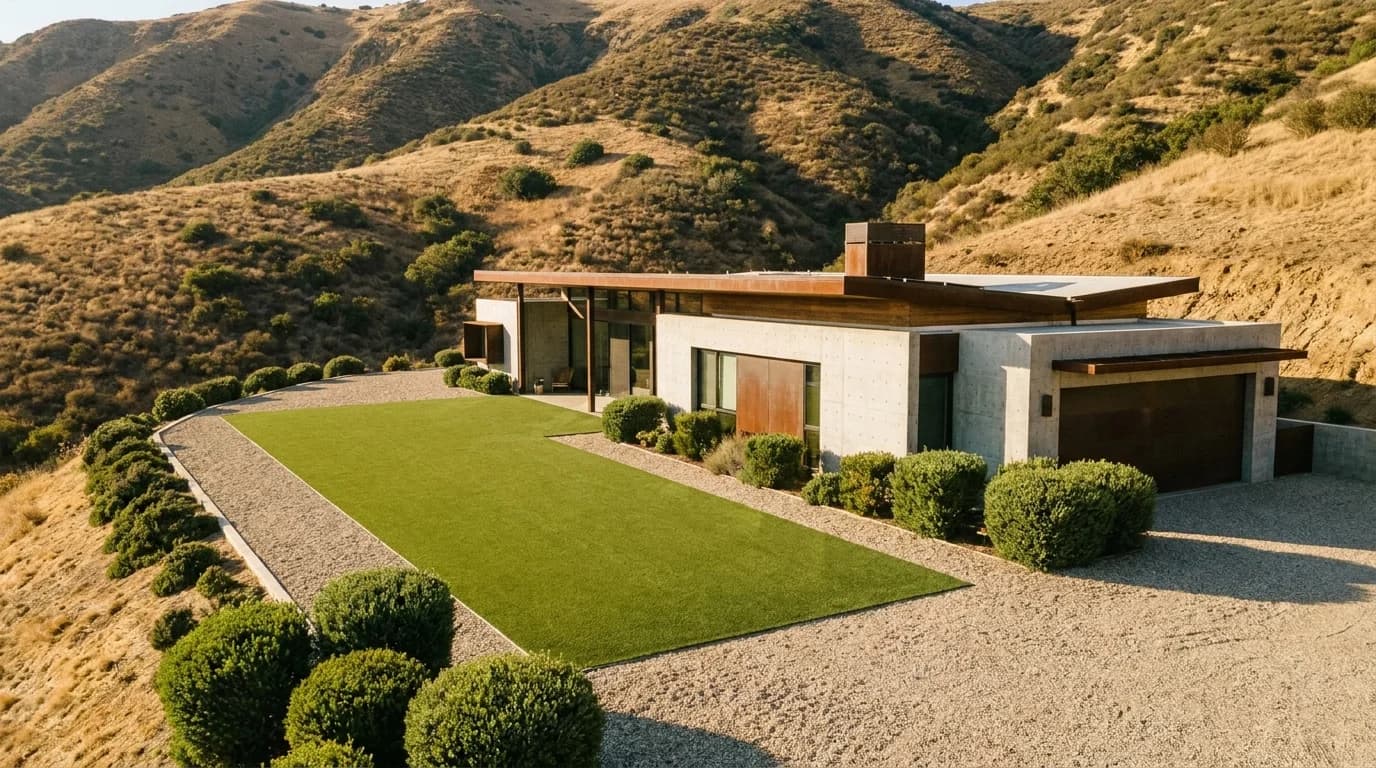
Zone 1 (0–5 ft): YES — a well-spec'd artificial turf with a Class A fire rating is one of the few "green-looking" options allowed. Alternative: decorative gravel, stone, pavers.
Zone 2 (5–30 ft): YES — turf replaces natural grass that would otherwise be a fire fuel in dry season.
Zone 3 (30–100 ft): Usually unnecessary — this zone is typically managed landscape or natural terrain.
What "Class A Fire Rating" Means
Fire ratings for roofing and ground surfaces are measured under ASTM E108 (and the related UL 790 test). Three classes:
- Class A: highest fire resistance (effective against severe exposure)
- Class B: moderate
- Class C: light
For wildfire zones, look for Class A rated turf. The rating is usually printed on the manufacturer spec sheet. Most of our premium products carry Class A — check specific SKUs on our product page or ask when you order samples.
What Still Matters Beyond the Rating
A Class A turf is only as fire-safe as its installation. Three details:
1. No Rubber Infill in Fire Zones
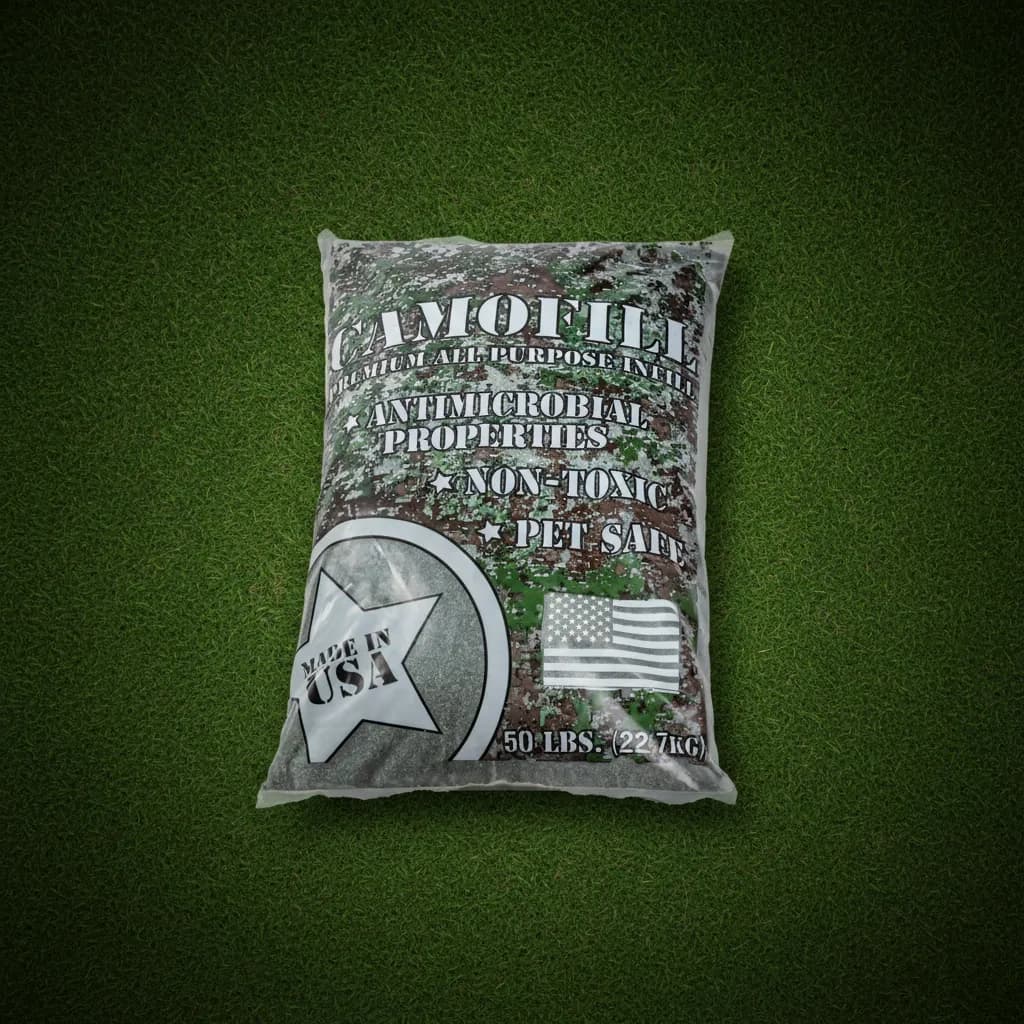
Crumb rubber infill can smolder and release heavy smoke. In fire-prone areas, use silica sand or ZeoFill instead. See our infill guide.
2. Keep the Perimeter Clean
A 2-foot wide gravel or stone border between turf and any planting bed prevents fire from jumping onto the turf field from burning mulch or shrubs.
3. Nothing Flammable Within 5 Feet of the House
Wood fences meeting turf at the house wall are a fire bridge. Replace with metal or concrete-panel fencing within Zone 1.
Combining With Other Fire-Safe Elements
- Hardscape pathways (concrete, pavers) break up fuel continuity
- Low-flammability plant palette — succulents, ice plant, hens-and-chicks
- Metal gutter guards — keep combustible debris from accumulating
- Enclosed eaves and vents — ember-resistant screens over attic and crawl vents
The Insurance Institute for Business & Home Safety publishes a comprehensive wildfire preparedness guide.
Insurance Implications
In California and increasingly in Colorado and Nevada, insurers are offering premium discounts for Firewise-certified landscapes. Document your artificial turf install and keep the Class A rating certificate — your insurance agent will know what to do with it.
Some HOAs in wildfire zones now require turf or other non-flammable ground cover. See our HOA approval guide for the request packet.
What About Smoke Damage?
Artificial turf can withstand smoke exposure without permanent damage. After a nearby wildfire:
- Rinse the entire surface with a garden hose to remove ash
- Clear any debris from the fiber base
- Check perimeter edges for melt or scorch damage — patch per our repair guide
Starting a Fire-Safe Renovation
The right time to install fire-safe turf is during a broader defensible-space renovation. Everything's already torn up. Coordinate with your general contractor and insurance agent — some insurers reimburse part of the install cost through wildfire-mitigation programs.
Order free samples and ask our team to confirm Class A ratings on the SKUs that fit your climate.