






The Grass Pollen Problem
Grass pollen is one of the most common outdoor allergy triggers, affecting an estimated 30 million Americans. Different grass species pollinate at different times, but in most US climates, the pollen season runs March through September — a 6-month window of misery for sensitive families.
Symptoms include sneezing, itchy eyes, throat irritation, and — for asthmatics — potentially serious respiratory events. The American Academy of Allergy, Asthma & Immunology publishes detailed pollen and grass-allergy resources, including seasonal pollen forecasts.
Why Artificial Turf Helps
1. Zero Grass Pollen
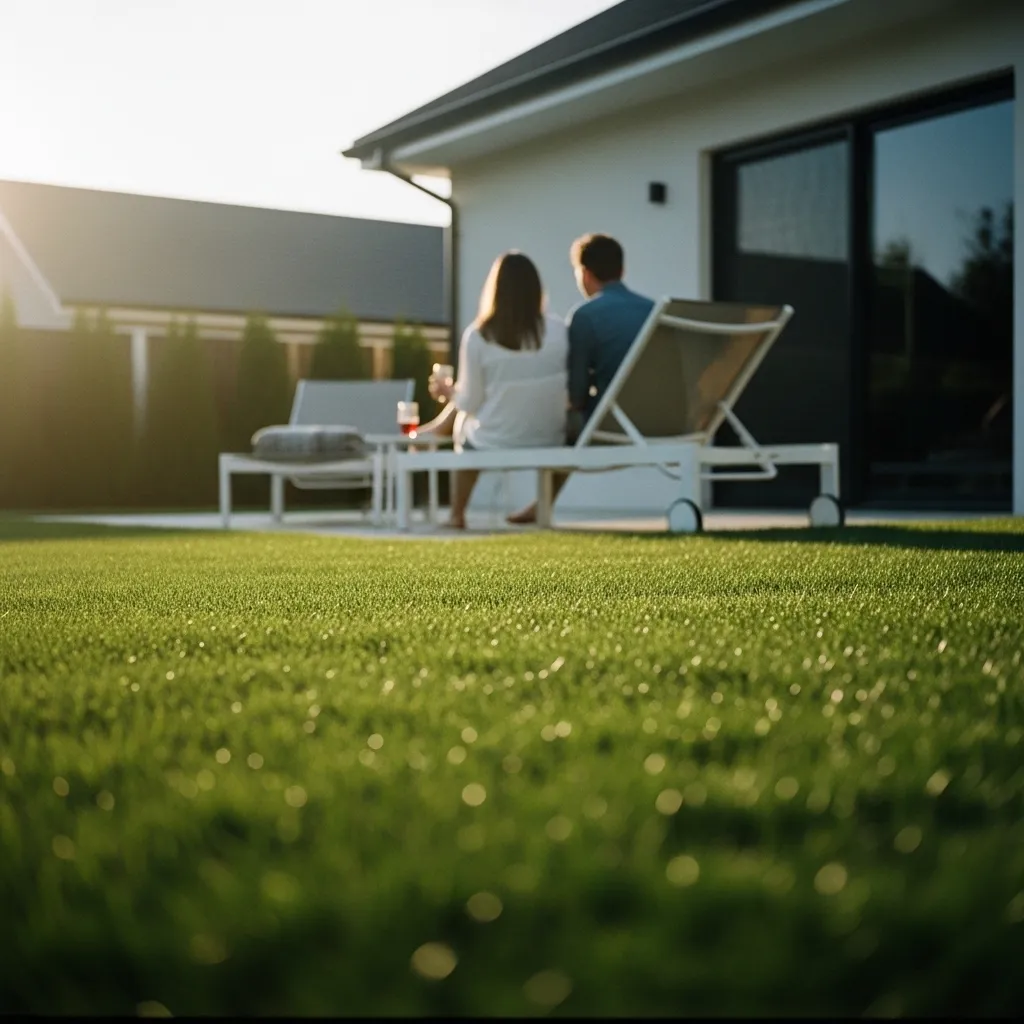
Artificial turf blades are polyethylene fibers. They don't produce pollen — ever. Removing your natural lawn eliminates the primary pollen source in your immediate outdoor environment.
For allergy-heavy families, this is often the single most impactful landscape change you can make. It won't eliminate airborne pollen from neighboring lawns or wild grasses, but it dramatically reduces your household exposure.
2. Less Mold and Mildew
Damp grass and thatch layers grow mold. Alternaria and Cladosporium are two of the most common outdoor mold allergens and both thrive in natural grass at soil level. Quality artificial turf with antimicrobial backing and full-flow drainage denies mold the moisture it needs to establish.
The American Lung Association covers mold-related respiratory triggers in detail.
3. Fewer Pests and Pollinators
Natural lawns attract insects, some of which trigger allergies (bee stings, mosquito bites) or asthma flareups. Artificial turf hosts far fewer:
- No standing water pockets = fewer mosquitoes
- No clover or flowering weeds = fewer bees
- No thick thatch = fewer ticks and fleas
4. No Pesticide Exposure
Chemical exposure from lawn treatments — glyphosate, pyrethroids, 2,4-D — can trigger sensitivities in some people. With artificial turf, you don't spray anything on the surface. Ever.
The EPA Pesticides Program publishes safety guidance for homeowners still using traditional lawn chemistry.
What Turf Won't Fix
Being honest: artificial turf isn't a cure-all.
- Neighboring pollen still travels. If your neighbor mows, pollen and grass dust drift onto your yard.
- Tree and weed pollen persist. Turf only addresses grass pollen. Oak, ragweed, and cedar allergies aren't affected.
- Dust and dander still exist. Pets, wind-blown dust, and general environmental allergens remain.
For a full allergy strategy, artificial turf is one important piece — not the whole answer.
Turf Choices for Allergy Households
Avoid Crumb Rubber Infill
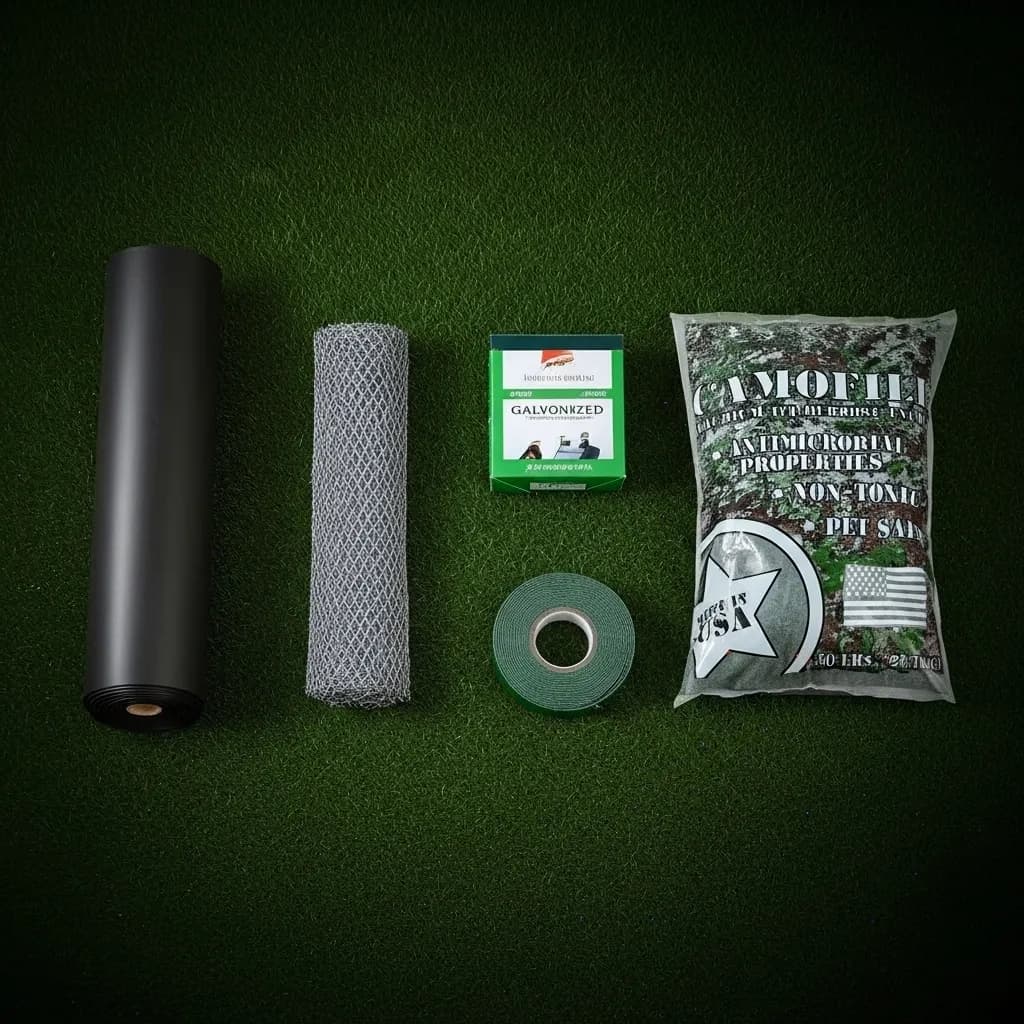
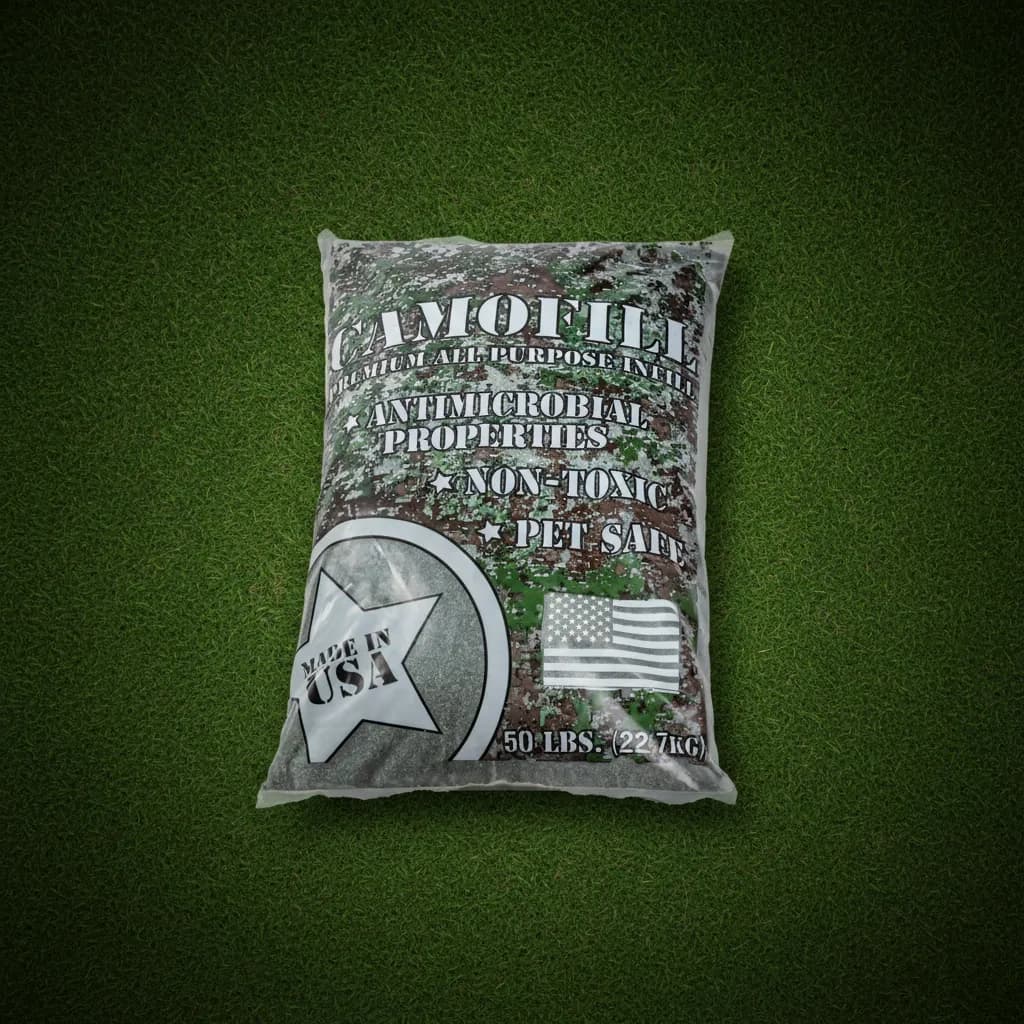
Some sensitive individuals react to crumb rubber. Choose silica sand or ZeoFill infill instead. See our infill guide.
Antimicrobial Backing
Standard on quality pet-grade products. Prevents mold and bacterial growth in the backing layer.
Full-Flow Drainage
Standing water = mold potential. Full-flow permeable backing keeps the turf dry. See our drainage post.
Wash-Down Cleaning
Monthly rinse with plain water clears pollen and dust from the surface. Enzyme cleaners quarterly for households with pets — see our maintenance tips.
Kids, Sports, and Play
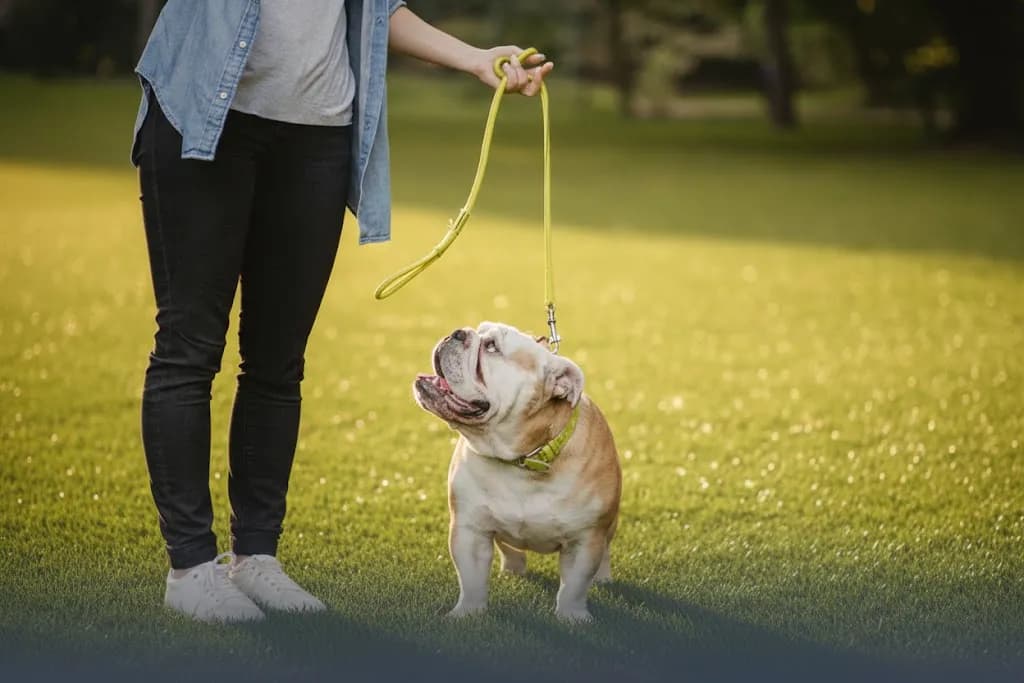
For kids with asthma, playing outdoors on natural grass during pollen season often means rescue inhaler use. Artificial turf gives kids a play space that stays low-allergen even during peak season. Combined with the safety benefits in our kid-safe playground guide, it's a legitimate quality-of-life improvement.
The Bigger Picture
Reducing allergen exposure at home is one of the most evidence-backed interventions for mild-to-moderate allergy and asthma sufferers. If your family struggles through spring and summer every year, artificial turf is worth serious consideration.
Ready to Explore?
Talk to your allergist first — they may recommend testing for specific grass pollens common in your area. Then order free samples to see the options, or use the calculator to price a conversion. Questions? Reach out via the contact page.