



Why Small-Space Installs Are Booming
Urban lots. Townhome courtyards. Zero-lot-line side yards. Rooftop terraces (see our rooftop guide). The fastest-growing segment of residential turf isn't the classic 800 sq ft backyard — it's the sub-200 sq ft space that natural grass could never work in.
Small installs solve four problems at once: no more mud, no more maintenance, no more ugly bare dirt patch behind the AC unit, and no more staring at an unused strip of gravel.
Planning Your Small-Space Install
1. Measure Precisely
On a small install, one bad measurement blows your material budget. Measure twice, sketch it out, and account for cuts around obstacles (drains, downspouts, HVAC pads).
Enter the numbers into our project calculator — it handles minimum-order thresholds and waste factor automatically.
2. Think in Terms of Rolls
Turf comes in 15-foot-wide rolls. For a space narrower than 15 feet, you can often use a single seamless piece — no visible seams anywhere. Plan the layout to take advantage of that.
For spaces wider than 15 feet, plan seams to run parallel to the primary viewing direction so they're less noticeable.
3. Consider Remnants
For installs under 50 sq ft, a remnant (leftover from a larger project) can save 40–60% off standard pricing. Ask about remnant availability when you contact us. Remnants come in shorter widths and irregular shapes but are perfect for a compact side yard.
Drainage for Tight Spaces
Small spaces often have poor drainage — trapped between buildings, near downspouts, or on a slab. Two solutions:
Slab-mounted install (concrete or paver base): Use full-flow permeable backing plus a drainage mat. Water moves sideways across the slab to existing drains. Same technique we cover in the rooftop post.
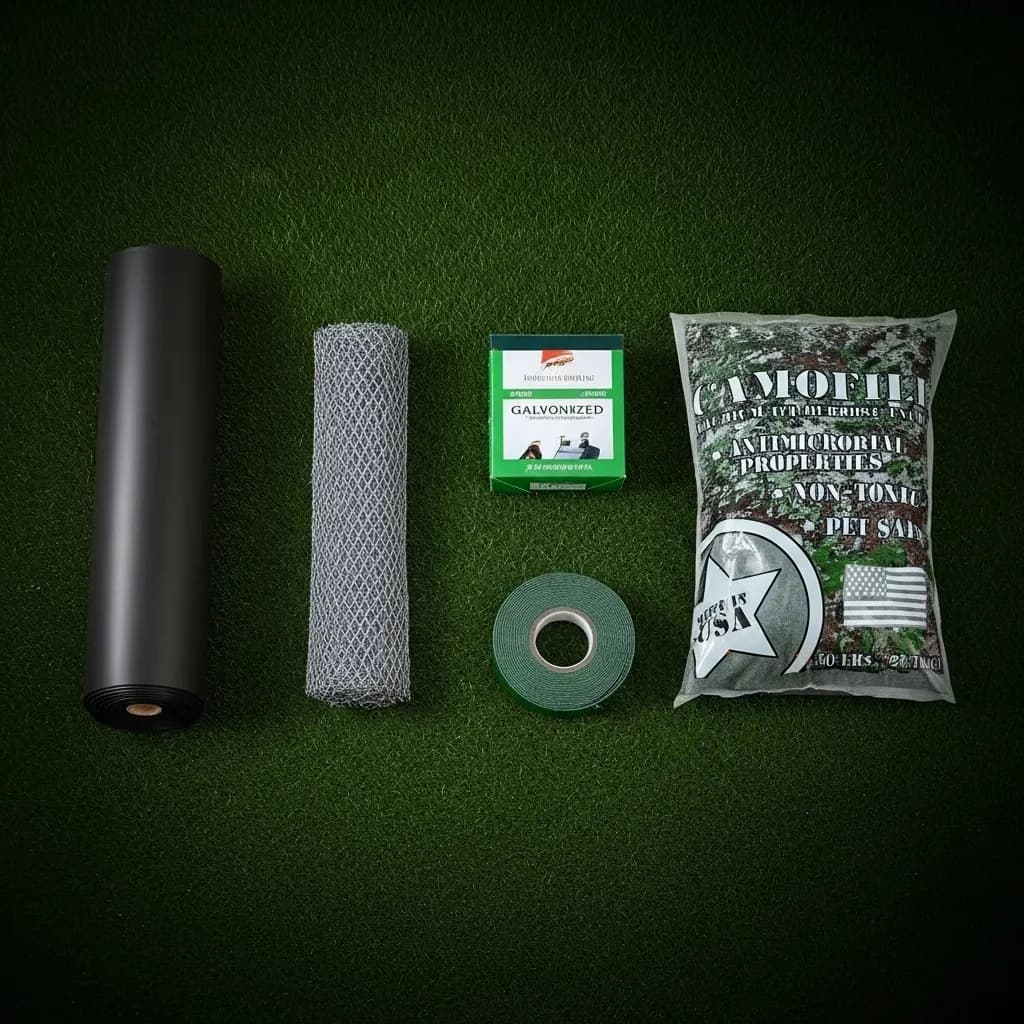
Native soil install: Standard base construction — 3 inches compacted crushed stone with 1–2% slope. See the full procedure in our complete installation guide. Because the space is small, you can often skip renting a plate compactor and use a hand tamper.
Adhesive Instead of Nails on Hardscape
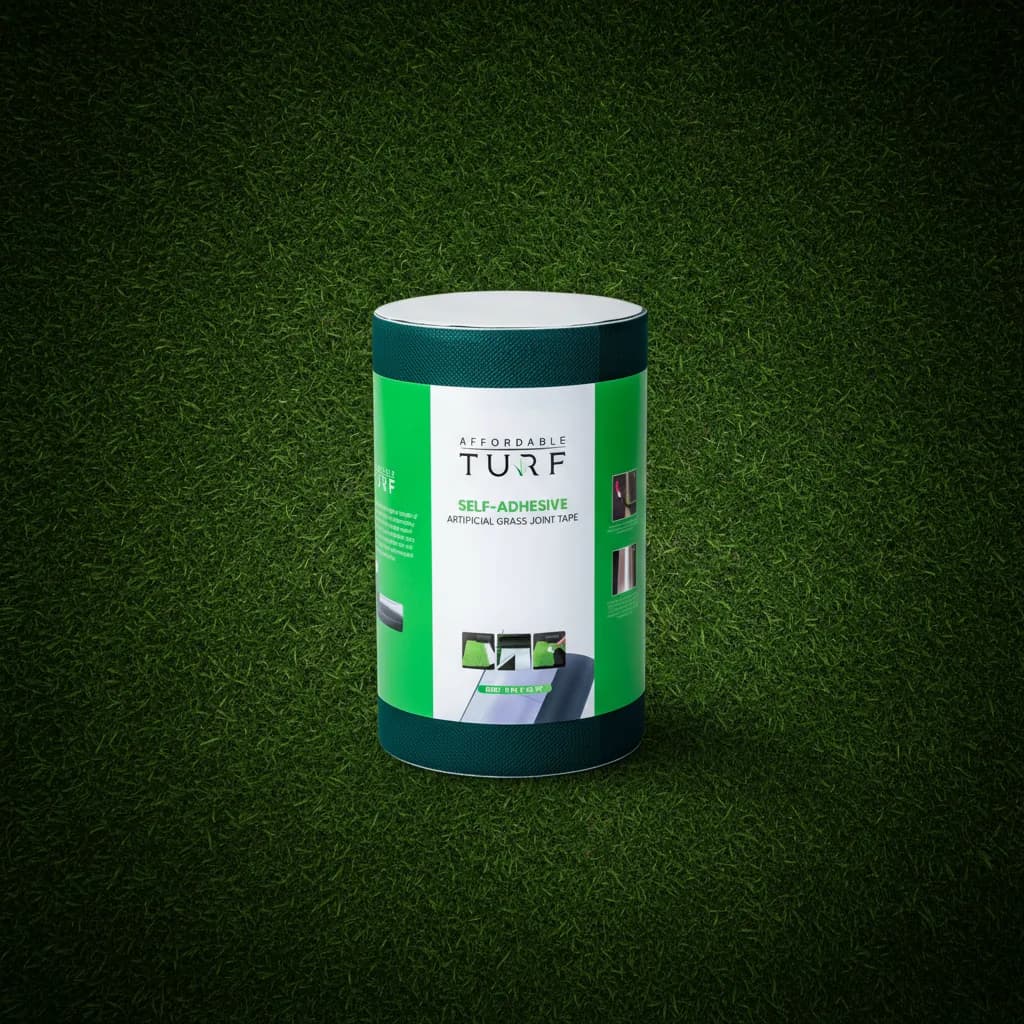
If you're installing over concrete or pavers, you can't nail. Use polyurethane turf adhesive applied with a notched trowel around the perimeter and any seams. Cures in 24 hours and holds fine for decades.
For an in-depth look at proper adhesive selection, the American Society for Testing and Materials (ASTM) publishes standards used by professional installers.
Design Ideas for Small Spaces
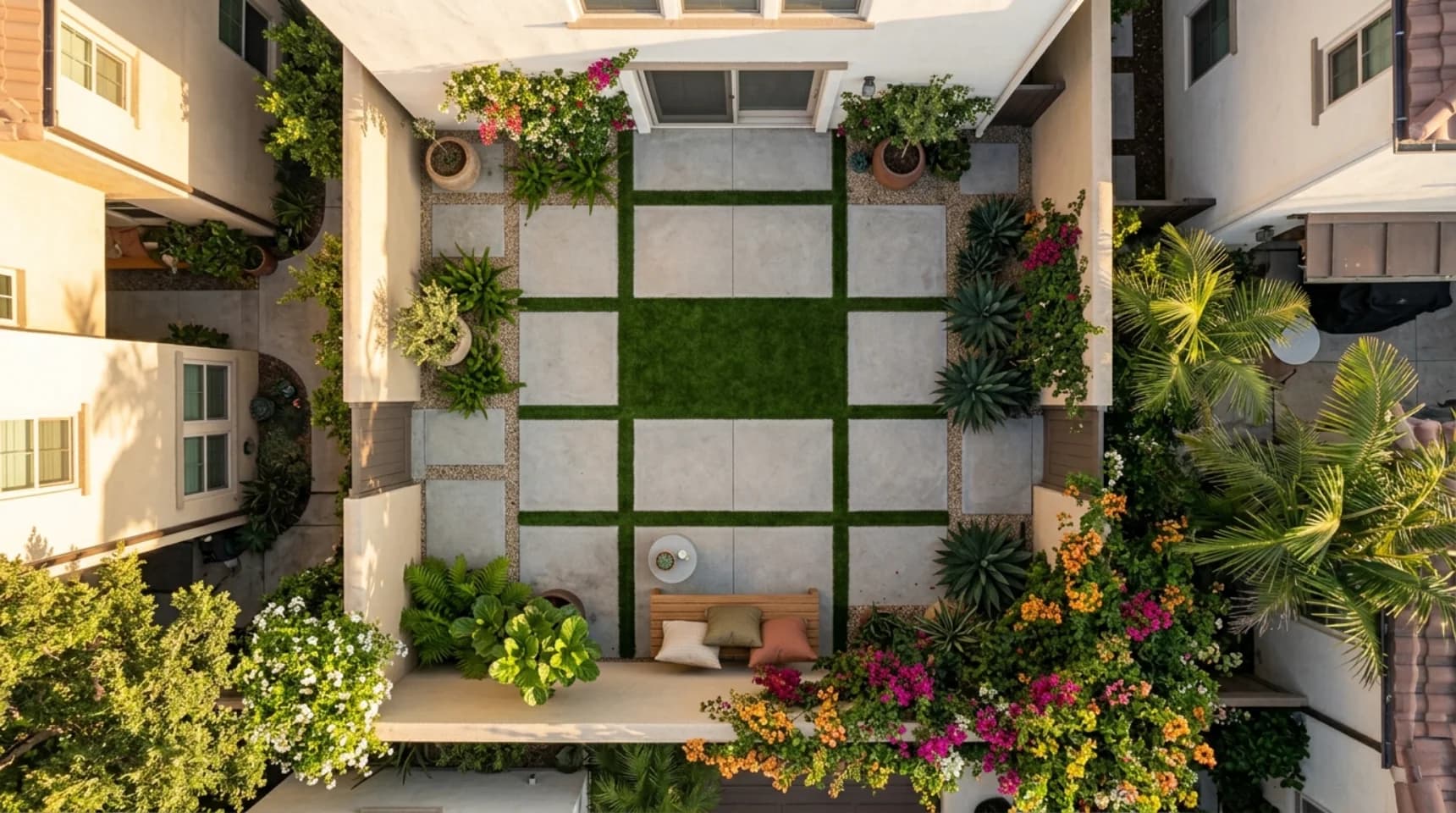
- Turf-paver checkerboard: alternating 2x2 ft squares of turf and concrete pavers for a modern gridded look
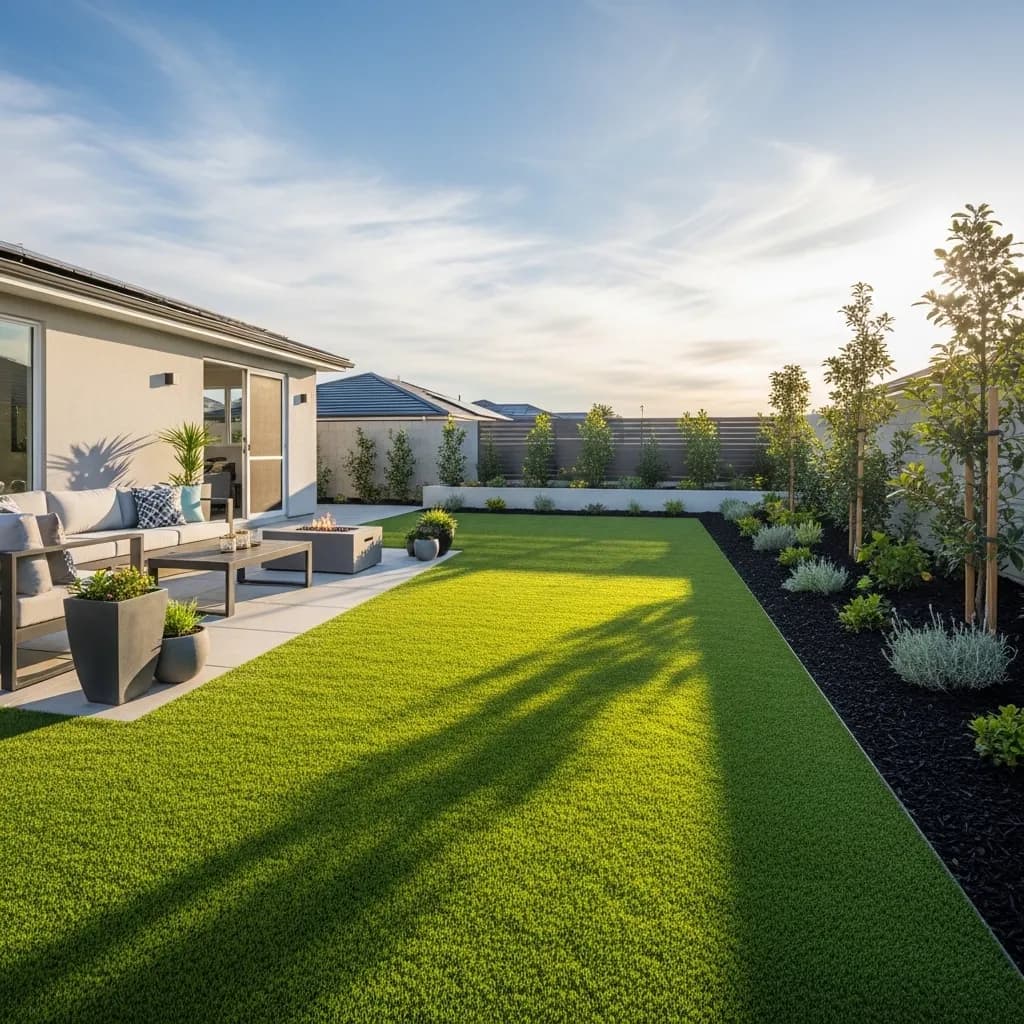
- Long side-yard runner: a single strip of turf between the house and the fence, replacing gravel or bare dirt
- Balcony/patio inset: turf as the "carpet" of an outdoor lounge area
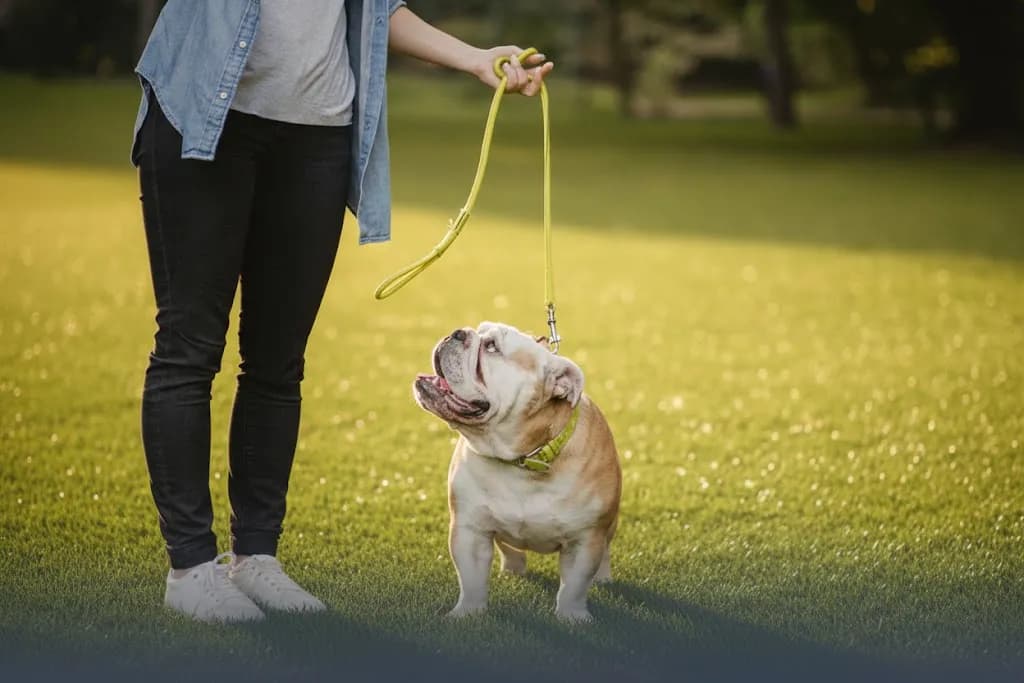
- Dog run corner: compact pet-turf zone, see our pet turf guide
- Play-nook for kids: small turf area under a swing — see our kid-safe playground guide
Pricing a Small Project
Small projects have a floor. Even a 50 sq ft install has fixed costs (shipping, tools, base materials) that don't shrink to fit the yard. Realistic pricing:
- DIY (50 sq ft): ~$400–650 total
- Pro install (50 sq ft): ~$800–1,200 total
Anything below 50 sq ft, you're better off buying a remnant and installing it in a weekend. Financing is available on installs over $2,500 but rarely needed at this scale.
Ordering for Small Jobs
We ship remnants and pre-cut sizes directly. See our shipping page for transit maps. If you're within pickup range of a warehouse, will-call is same-day.
Order free samples to see how the color reads in your specific microclimate, then use the calculator to finalize the order.