




Why Rooftops Are the Fastest-Growing Turf Category
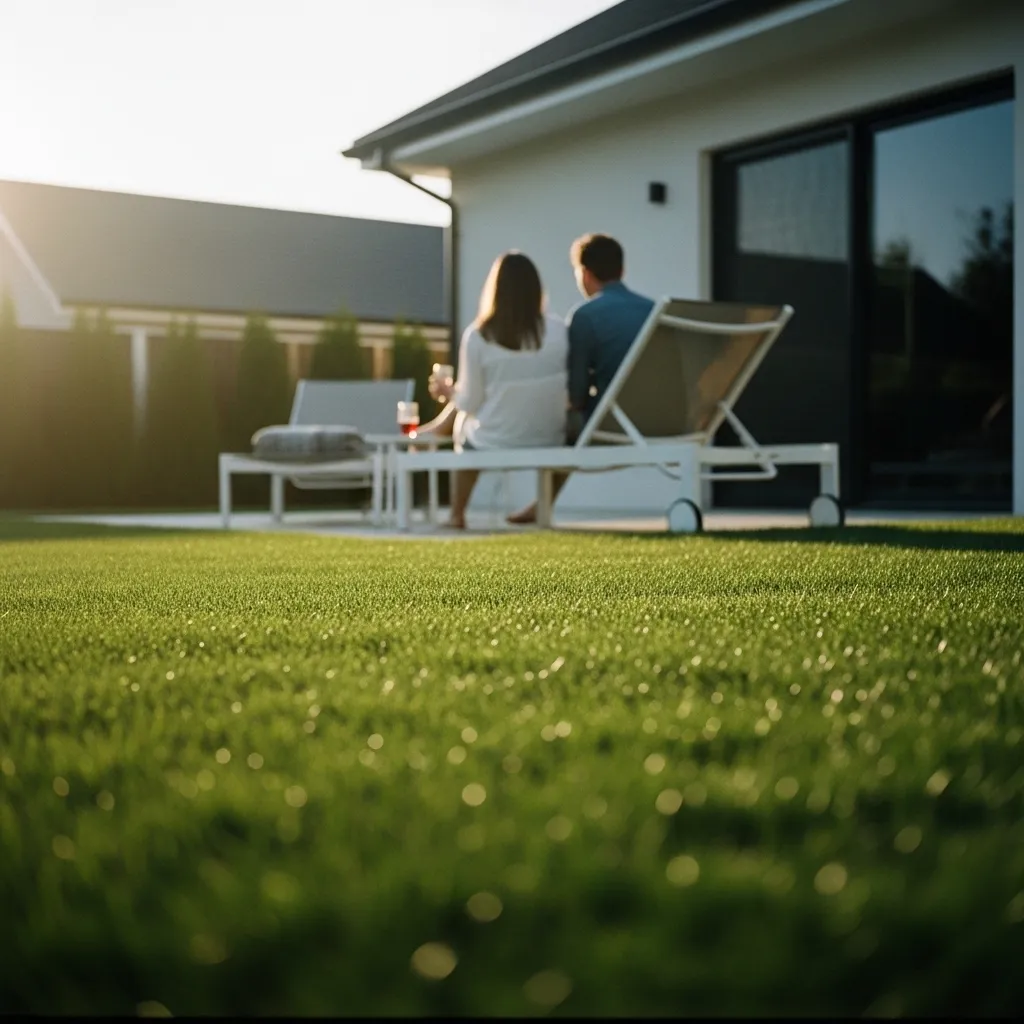
Two-thirds of new commercial turf installations in 2026 will be on elevated surfaces — rooftop lounges, apartment balconies, restaurant patios, hotel amenity decks. See finished examples in our commercial turf post and gallery.
Elevated installs differ from ground-level in four important ways: drainage, weight, adhesion, and edge detail.
1. Drainage Is Everything
You can't build a crushed-stone sub-base on a rooftop. Water has to move sideways across the deck surface and exit through existing scuppers or drains.
The rule: The deck must have positive slope to existing drains. Most commercial roofs already do (typically 1/4" per foot). Residential balconies vary — some have zero slope and require a drainage mat.
Drainage Mat
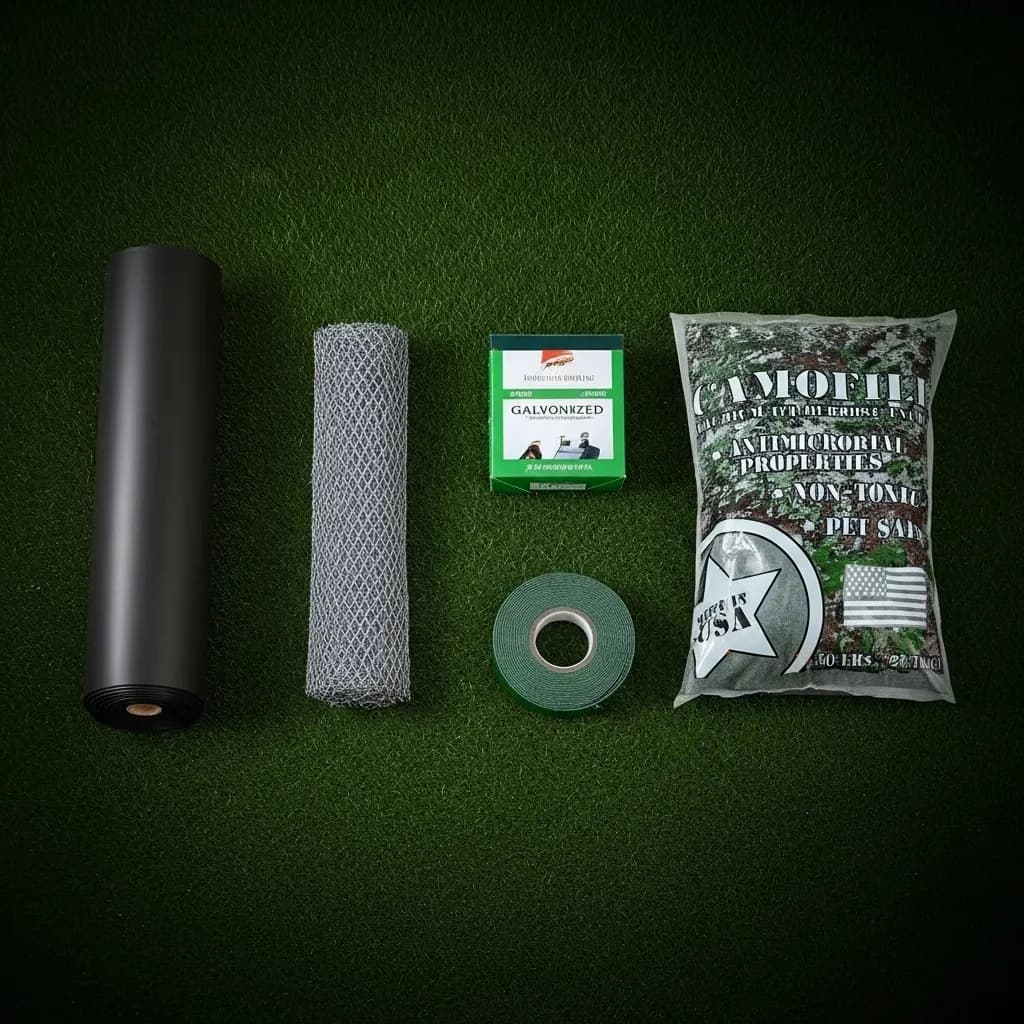
A 10–20 mm dimpled polyethylene mat goes down first. Dimples create a flow layer between the deck and the turf backing, letting water travel horizontally to the drain.
Skip the drainage mat and you'll get standing water, mold, and eventually rot in the deck structure below.
2. Weight Load Considerations
Turf itself is light — about 1–1.5 lbs/sq ft unfilled. But once you add infill, weight climbs fast.
- Unfilled turf: 1 lb/sq ft
- With standard silica infill (1.5 lbs/sq ft): 2.5 lbs total
- Add furniture, planters, people: 5–8 lbs/sq ft live load
Most commercial rooftops are engineered for 100+ psf live load, so this is a non-issue. Older residential balconies — especially those on 1970s-era condos — may need a structural review. Consult a licensed structural engineer before installing on a private balcony you're unsure about. The American Institute of Architects can help you find local structural PEs.
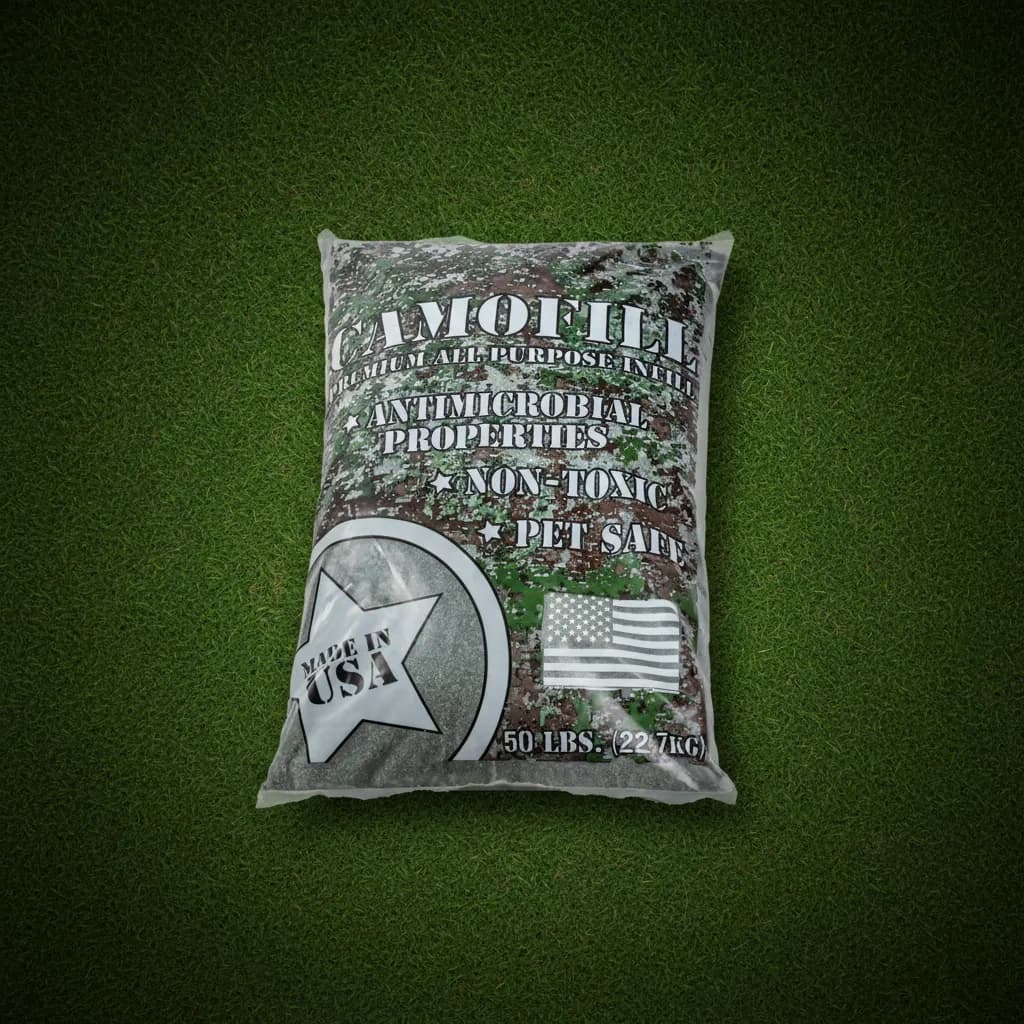
For weight-sensitive installs, use lightweight infill (ZeoFill or coated silica) instead of sand.
3. Adhesion Instead of Nails
You can't nail turf into a rooftop. Two solutions:
Full-Glue-Down
Apply polyurethane turf adhesive across the entire deck with a notched trowel, then lay turf into it. Best for permanent installs on TPO, EPDM, or concrete decks. Cures in 24 hours.
Perimeter Glue + Weighted Infill
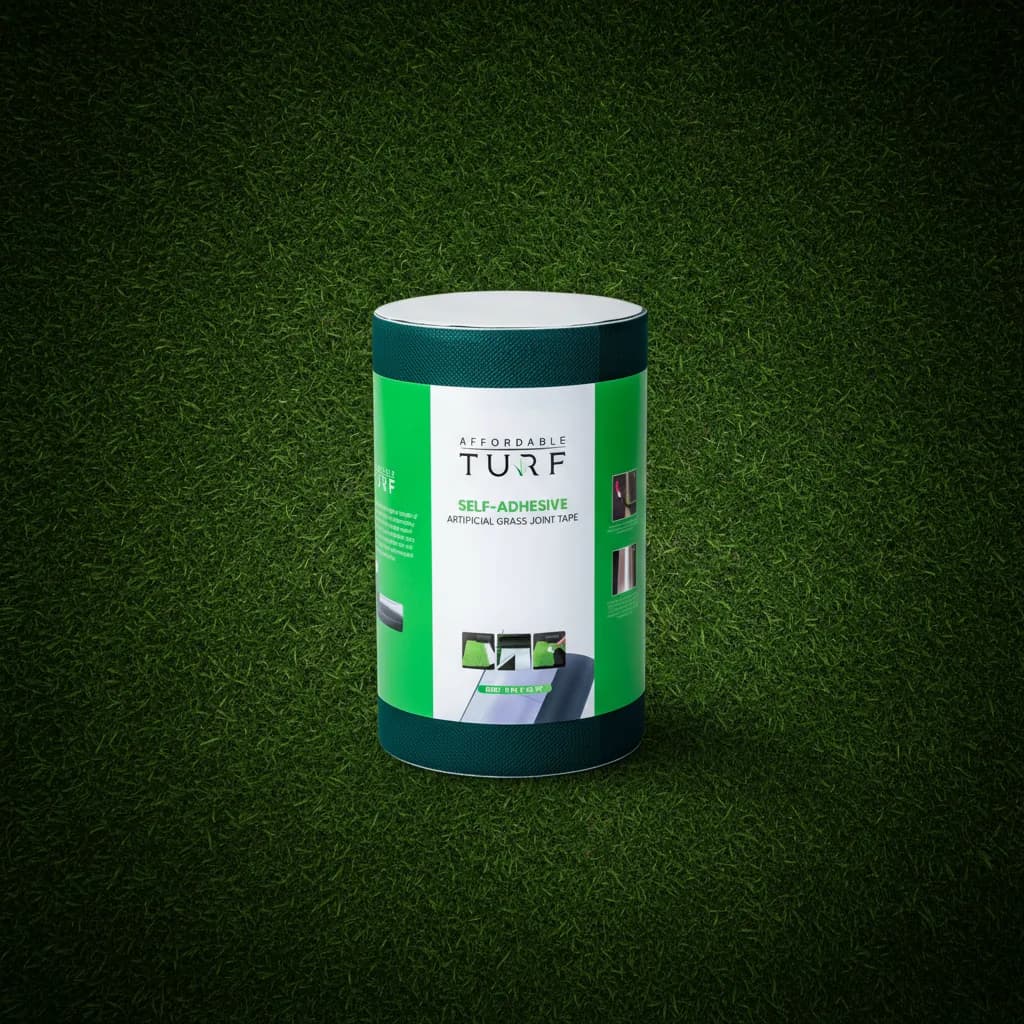
Glue only the perimeter and seams; let infill weight hold the field. Best for balconies where you might want to remove turf later without damaging the deck membrane.
What About Loose-Lay?
Fine for small balconies (under 60 sq ft) with a heavy furniture load holding it down. Not recommended above 3 stories — wind uplift becomes a real risk.
4. Edge Detailing
Rooftop edges are visible from below and above. Two clean approaches:
- Metal edge trim — L-shaped aluminum runs the perimeter, painted to match building trim
- Turf tucked under the wall base — cleanest look, requires precise cutting
Avoid raw turf edges exposed at balcony railings. Wind and UV find them fast.
Product Selection for Rooftops
Choose turf with:
- Full-flow permeable backing (not just perforated) — sheds water in every direction
- UV rating 3,000+ hours — rooftops get more direct sun than ground-level
- Face weight 60–80 oz — heavier weights add unnecessary load; medium weight looks great and drains better
Browse rooftop-suitable products on our products page or order samples — we'll flag which SKUs are rooftop-rated.
HOA and Landlord Approval
If you're a condo owner or renter, you'll need written approval from the HOA or property management before installing. See our HOA approval guide for the packet that gets approvals.
Fire Codes
Rooftops in dense urban areas often fall under stricter fire codes. Look for turf with a Class A fire rating (ASTM E108). The NFPA publishes the standards most jurisdictions enforce.
Commercial Rooftop Projects
For hotels, apartment buildings, and mixed-use developments, our broker program offers wholesale pricing on rooftop-rated products, drainage mat, and adhesive systems in a single pallet. Financing on larger commercial installs is available on our financing page.
Ready to Go Vertical?
Whether it's a 40 sq ft balcony or a 40,000 sq ft hotel amenity deck, the same three ingredients matter: right product, right drainage plan, right adhesive. Order free samples, then use the calculator to spec the full system.