
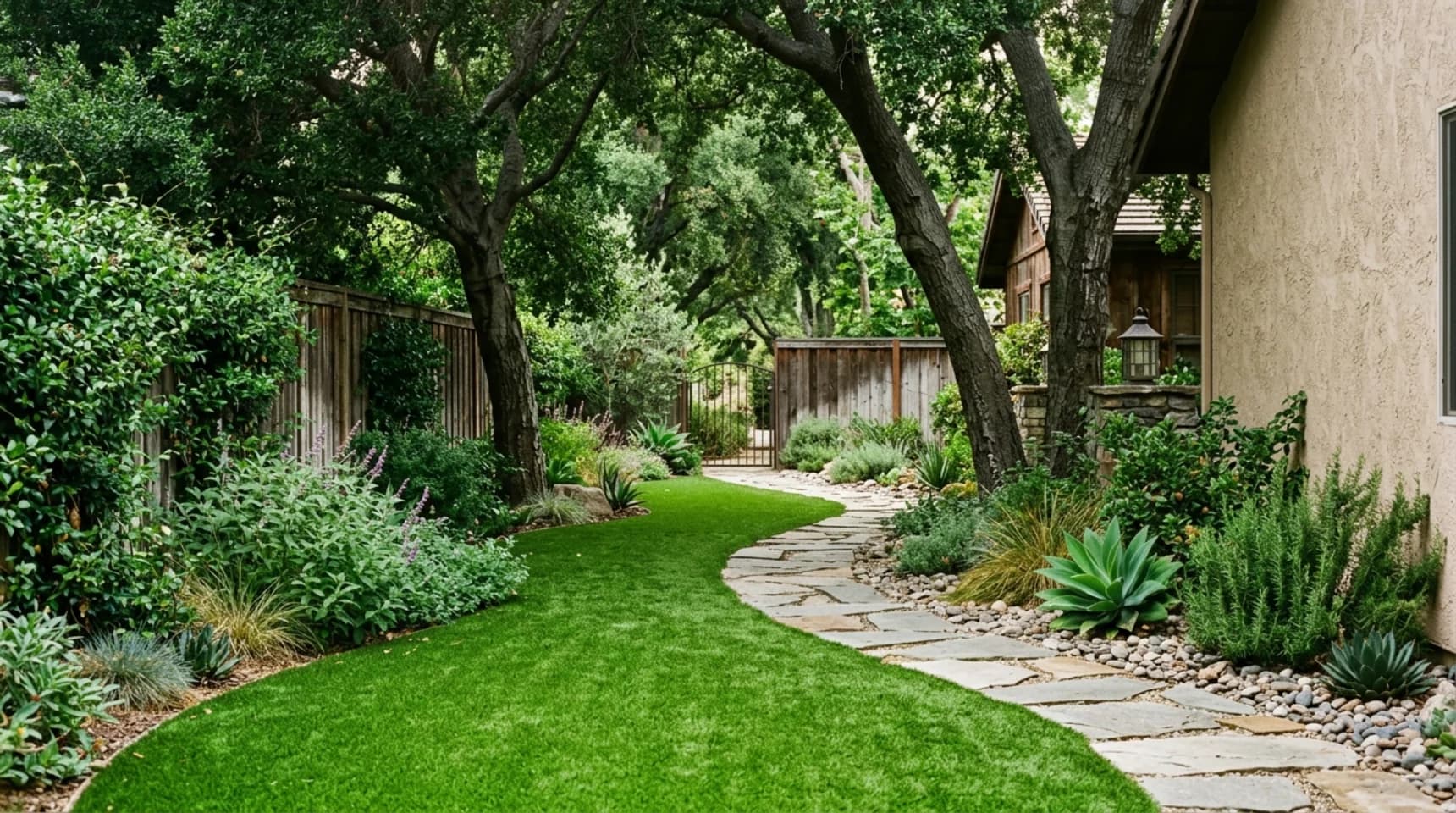

The Problem With Grass in Shade
Natural grass needs 4–6 hours of direct sunlight to photosynthesize. A north-facing yard, a mature tree canopy, or a fence line will slowly starve it. The result: bare patches, moss, moisture problems, mud. Reseeding never sticks.
Artificial turf doesn't care about photosynthesis. In shaded zones, it's often the only solution that actually looks good year-round.
What to Look For in Shade-Zone Turf
1. Deeper Green Blade Color
Shade cools the perceived color of any surface. Turf that looks vibrant in direct sun can read as flat or gray under a tree canopy. Choose a deeper field-green blend with prominent thatch — the extra depth reads correctly in low light. Our blade and color guide covers the tradeoffs.
2. Full-Flow or Enhanced Drainage
Shaded yards stay damp longer. Standing water breeds mold and mildew on the backing. Look for full-flow permeable backing (60+ inches/hour drainage) — the same spec we recommend for pet turf.
Our drainage 101 post walks through the physics.
3. Antimicrobial Backing
Damp + shaded = mold risk. Turf with antimicrobial polyurethane backing resists mildew and eliminates the musty smell that untreated turf develops in shaded zones. Standard on any decent pet-grade product.
4. Thicker Face Weight Isn't Required
In shade, you don't need the heavy 90+ oz weights that hot-climate installs sometimes call for. 60–75 oz is plenty and drains better.
Handling Tree Roots
If you're installing under a mature tree, your #1 challenge is roots.
- Never excavate deeper than 3 inches near the drip line — you risk damaging the root system and killing the tree. The International Society of Arboriculture publishes clear guidance on protecting root zones during landscape work.
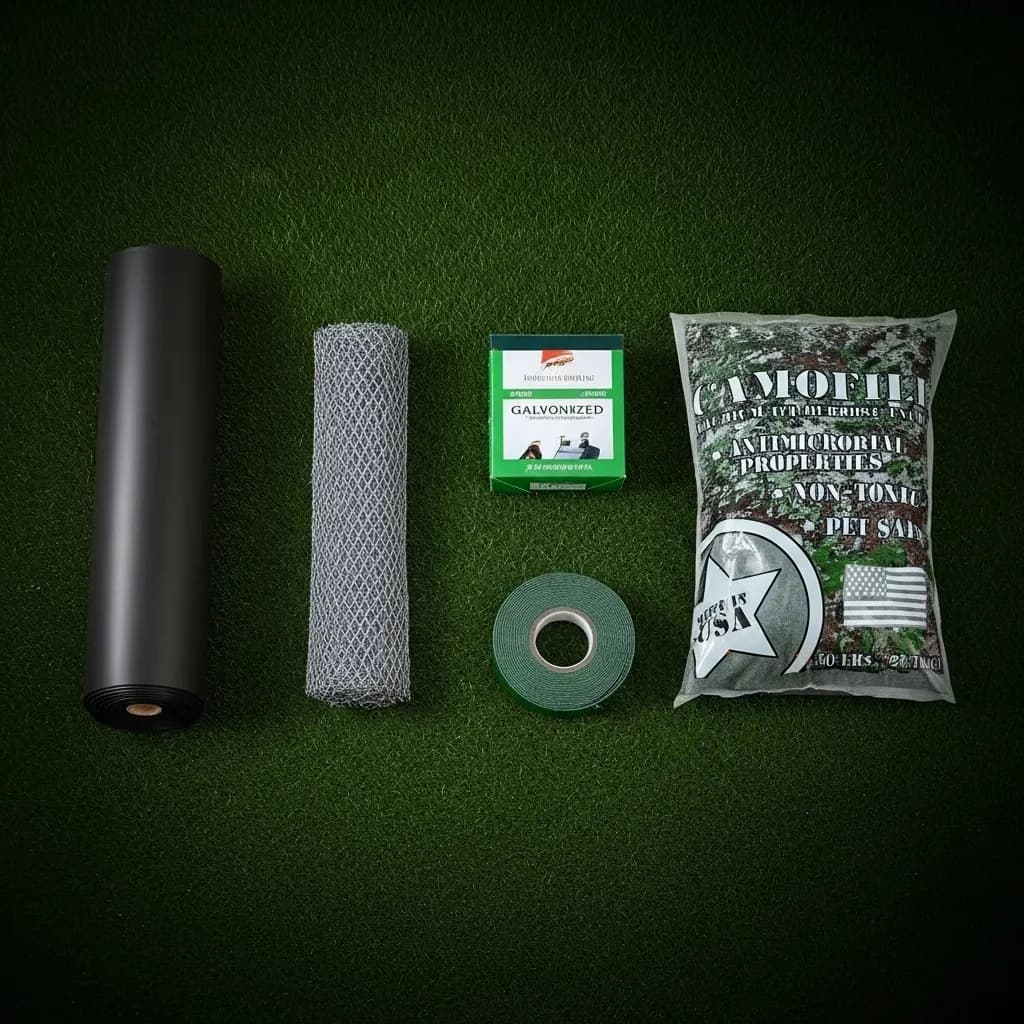
- Use a shallow crushed-stone base with landscape fabric on top of the native soil rather than dig deeper
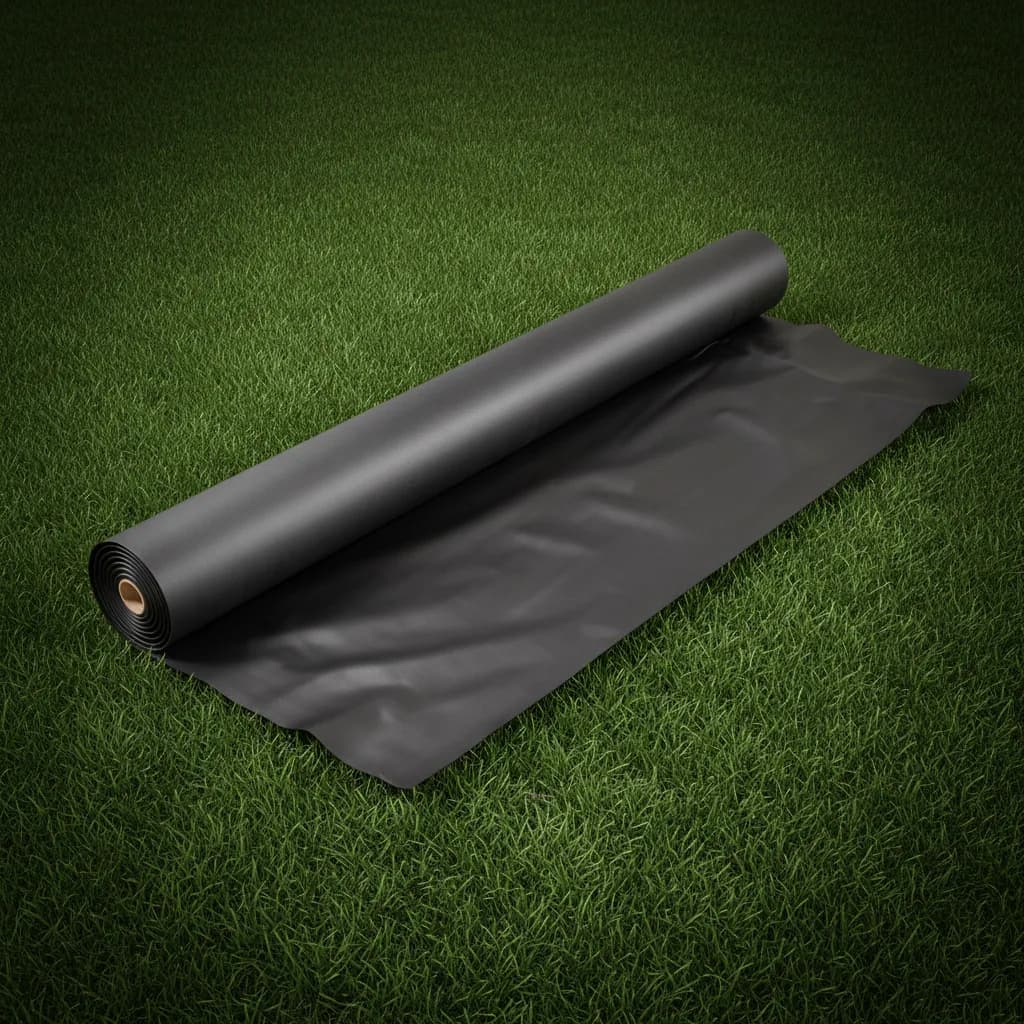
- Choose a thicker weed barrier fabric — surface roots will try to push through thinner fabrics
- Leave a small mulch ring (12–18 inches) around the trunk with no turf, giving the tree access to air and water
Moss and Algae Prevention
Even antimicrobial turf can develop surface moss in deeply shaded, north-facing yards.
Preventive maintenance:
- Rinse monthly with a garden hose — see our maintenance tips
- Once or twice a year, apply a dilute vinegar-and-water solution (1:10 ratio) and rinse thoroughly
- Prune overhanging branches by 10–15% every 2–3 years to increase airflow and light — the Arbor Day Foundation recommends light-crown-thinning cuts, not top-cuts
Handling the Shade-to-Sun Transition
If part of your yard is sunny and part is shaded, the same turf will read as a slightly different color in each zone. Two options:
- Same turf throughout and accept the subtle shift — most homeowners don't notice after a week
- Two products with matched color — call our team via the contact page and we'll flag which SKUs match visually across light conditions
Cold-Climate Shade
If you're in a cold shaded yard (Seattle, Denver, or the Northeast), pair the shade specs above with our winter care post — snow lingers longer in shade and you'll want good drainage prep going into winter.
Ready to Plan a Shade Install?
Order free samples — request the "shade-optimized" bundle and we'll ship you two deep-green options with full-flow backing to compare in your actual yard. Use the calculator once you've picked a product.