
Why Fiber Material Matters
Everyone focuses on the blade shape and color (fair — see our blade shapes guide). But the raw plastic the blade is extruded from determines everything downstream: how it feels, how long it lasts, how hot it gets, and what you'll pay.
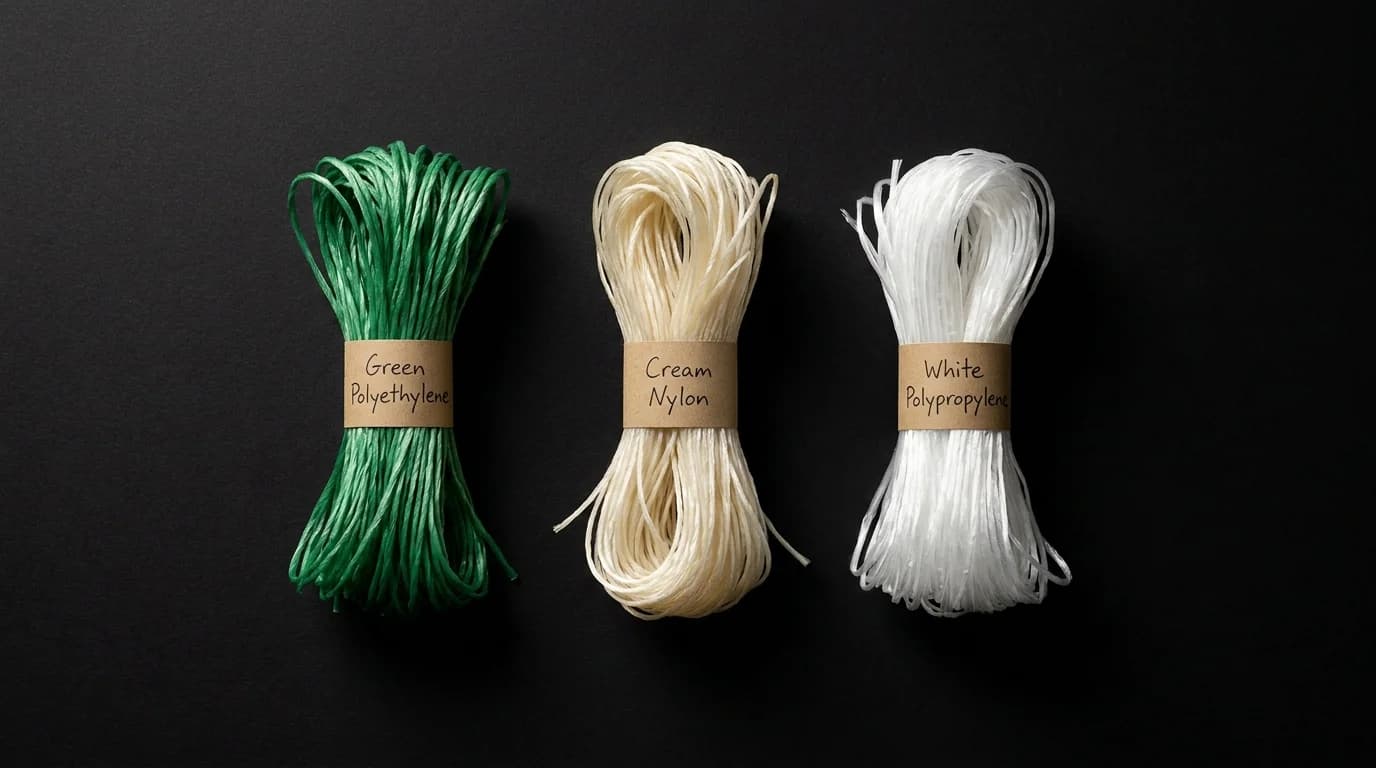
Three materials dominate the industry. Each has a distinct use case.
Polyethylene (PE)
The default. 85% of residential installs use polyethylene.
- Feel: soft and lifelike, close to natural grass
- Durability: excellent (15–20 years with proper care)
- Heat performance: moderate — benefits from cool-yarn additives (see our summer heat post)
- Cost: mid-range
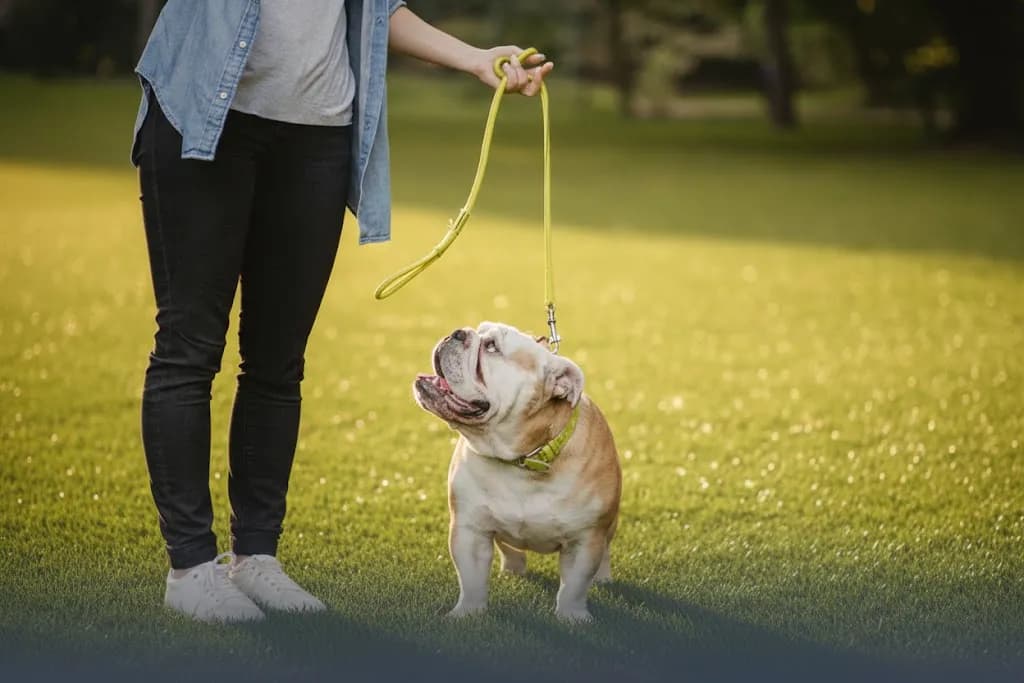
- Best for: residential landscape, pet areas, kids' play zones
Polyethylene is what most of our product catalog is made of. It's UV-stable, pet-safe, and holds up to foot traffic.
Nylon (PA 6)
The strongest fiber. Premium, specialty use only.
- Feel: stiffer and more wiry than PE
- Durability: exceptional (20+ years, highest tensile strength)
- Heat performance: worst of the three — can get noticeably hotter in direct sun
- Cost: 2–3× polyethylene
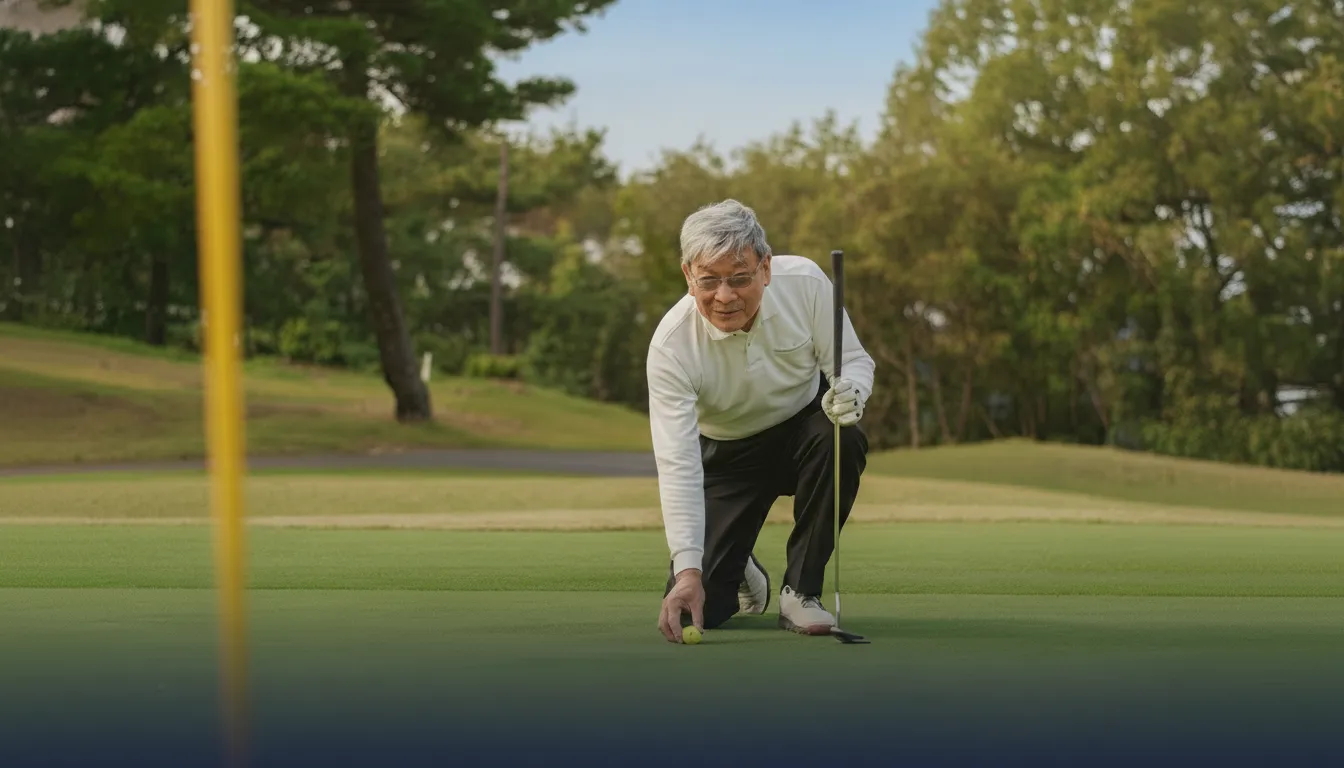
- Best for: sports fields, putting greens, extreme high-traffic commercial
If you've played on an older sports field, you've walked on nylon turf. For a backyard, nylon is overkill unless you're building a backyard putting green or pickleball court. The Synthetic Turf Council publishes technical specs showing nylon's wear performance in sports settings.
Polypropylene (PP)
The budget fiber. Watch where you use it.
- Feel: harder, more plastic-feeling than PE
- Durability: fair (5–10 years before matting is noticeable)
- Heat performance: better than PE in some formulations
- Cost: cheapest of the three
- Best for: very low-traffic decorative areas, indoor use, short-term installs
Polypropylene is the fiber in those big-box "turf tiles" and cheap online rolls. It melts at a lower temperature than PE (around 320°F vs 325°F), so it's a bad choice near fire pits and on hot patios. For material-safety context, the Society of Plastics Engineers covers the differences in detail.
Fiber Blends
Most high-end turf uses a blend — commonly PE primary blades with a nylon thatch layer for added structural strength and realism. The thatch nylon doesn't contact your bare feet (it's buried under the blade canopy), so the heat issue is moot.
How to Read a Spec Sheet
Look for these lines on any manufacturer datasheet:
- Face Fiber: should list PE, Nylon, or PP (and sometimes a blend ratio)
- Thatch: often PE or Nylon
- Primary Backing: polypropylene (standard, structural — different use than face fiber)
- Secondary Backing: polyurethane (preferred) or latex (budget)
Polypropylene backing is standard and fine — it's just structural fabric, not what you walk on.
Which Material Fits Your Yard
| Use | Recommended Material |
|---|---|
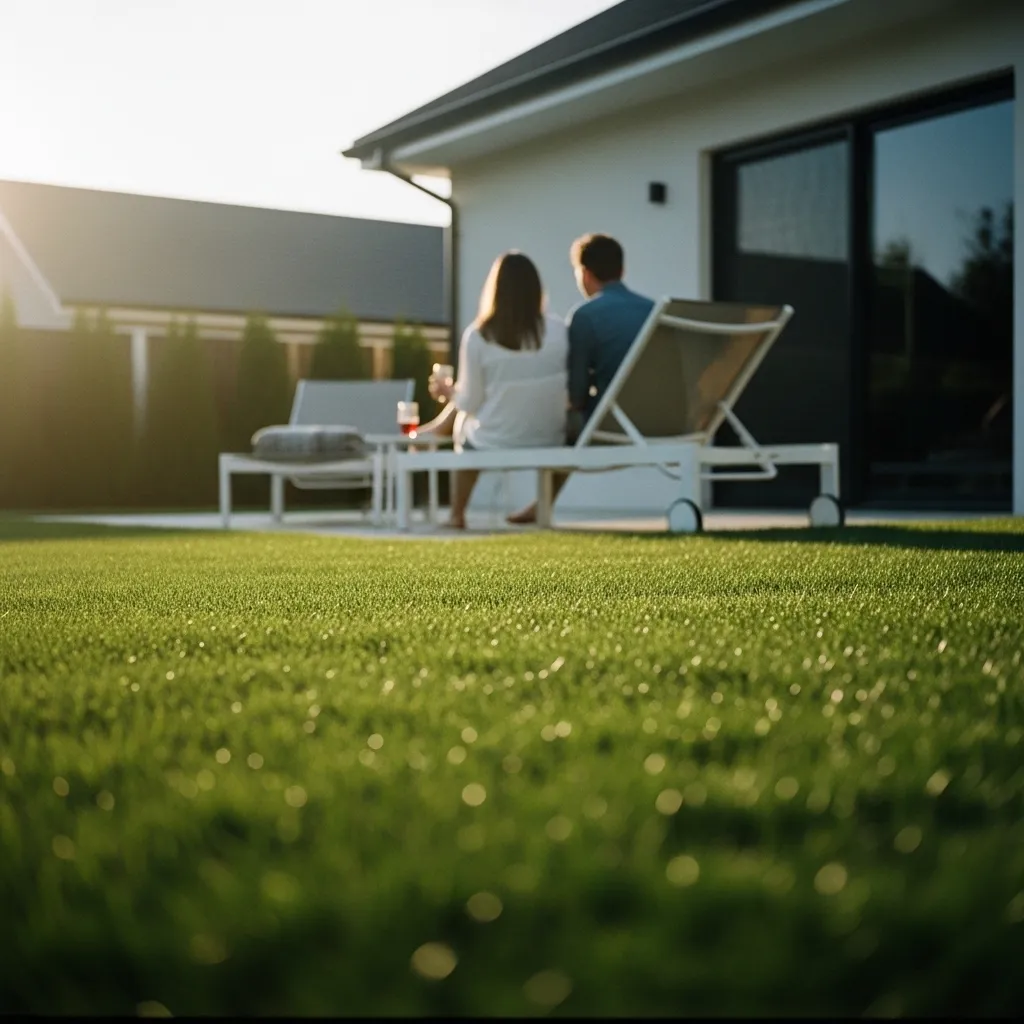
| Family lawn | Polyethylene |
| Pet area | Polyethylene + antimicrobial |
| Putting green | Nylon |
| Pickleball/sport court | Nylon or PE/nylon blend |
| Rooftop decorative | PE (lightweight) |
| Shaded courtyard | PE |
| Low-budget decorative | PP (short-term only) |
| High-traffic commercial | Nylon |
Environmental Considerations
All three materials are recyclable at specialty facilities. The EPA Sustainable Materials Management program covers polymer recycling pathways. Specialty turf recyclers accept old product in most major metros — ask about end-of-life recycling programs when you buy.
Ready to Compare?
Order free samples and request a spec card for each — you'll be able to compare face fiber material directly on each swatch. Our product page lists the primary fiber for every SKU.