
The Two Specs That Matter Most
When you look at artificial turf spec sheets, dozens of numbers compete for your attention. Two of them do most of the visual work: blade profile (the cross-section shape) and blade color (the yarn shade blend). Get these right and even a modestly priced turf looks premium. Get them wrong and the best backing in the world won't save you.
Blade Profile Quick Reference
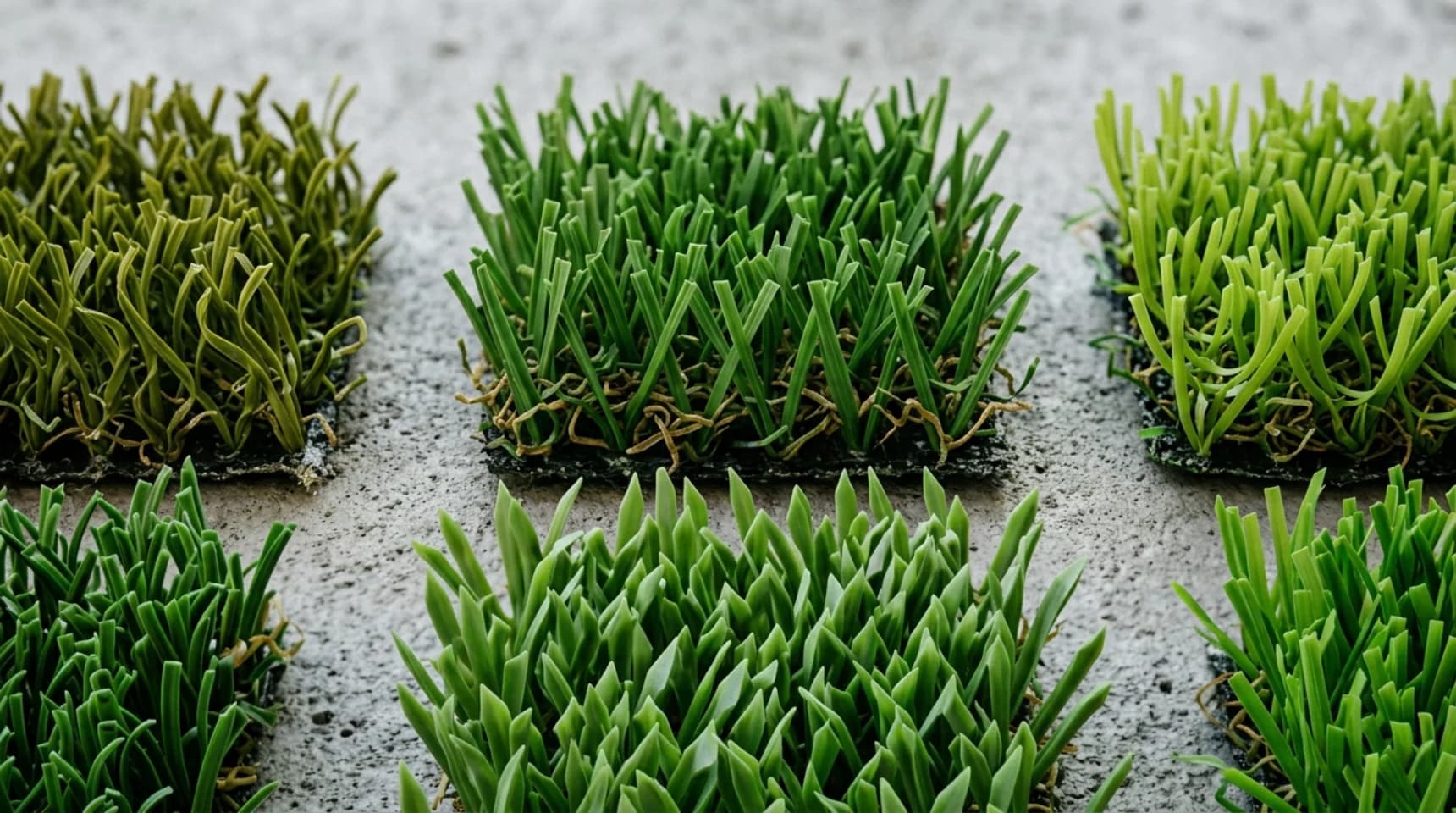
Turf yarns are extruded through a shaped die. That cross-section — visible under a magnifying glass — determines how the blade catches light and how well it stands up under foot traffic.
- S-Blade. Curved S-shape. Good all-around performer, springs back well, popular for family lawns. The default choice.
- W-Blade. W-shaped cross-section with reinforcement ribs. Very durable, great for pet turf and high-traffic areas. Slightly waxier look.
- U-Blade. U-shaped scoop. Excellent memory (bounces back after being crushed), softer feel underfoot. Common on premium landscape turf.
- C-Blade. C-shaped curve. Softest feel of the group, best for barefoot zones. Slightly less durable under heavy traffic.
- Diamond Blade. Rare, ultra-premium. Diamond-shaped profile with maximum light reflection. Looks stunning but costs more.
- Flat/Ribbon Blade. Old-school flat yarn. Cheap, matty, looks like plastic. Avoid on residential.
For an industry-body comparison of yarn geometries and their real-world performance, the Synthetic Turf Council publishes independent guidance.
Color Theory for Artificial Turf
Real grass isn't a single green. It's a blend of olive, field green, lime, and brown thatch fibers.
- Olive. Warm, brownish green. Anchors the look and prevents that "billiard felt" appearance.
- Field Green. The primary mid-tone. This is what most people picture when they think of grass.
- Lime. Bright accent tones that add depth and freshness.
- Thatch. Brown or tan crimped fibers woven underneath. Mimics dead grass at the soil line.
Premium turf uses a 4-color blend with a thatch layer. Cheap turf uses 1–2 colors and skips thatch — that's the "obviously fake" look you want to avoid.
Matching Turf to Setting
- Hot desert climates (Phoenix, Vegas): olive-heavy blends look more native
- Coastal California, Miami: brighter field green + lime blends
- Northeast, Seattle, Pacific Northwest: deeper forest greens with heavy thatch
- Denver / Rocky Mountains: warm olive tones mixed with field green, moderate thatch
Pile Height Considerations
Blade profile interacts with pile height (blade length):
- 1"–1.25": low pile, best for putting greens and sports — see our putting green guide
- 1.5"–1.75": the sweet spot for residential landscape
- 2"+: ultra-premium, luxurious feel but requires more infill and heavier maintenance
How to Compare Samples in Your Yard
- Look at samples both in shade and in direct sun — colors shift dramatically
- Hold two samples next to each other for A/B comparison
- Test the "matting" — press your palm flat for 30 seconds and see how fast blades stand back up
- Bend one blade against your fingernail — should be springy, not brittle
The Recommended Pairing
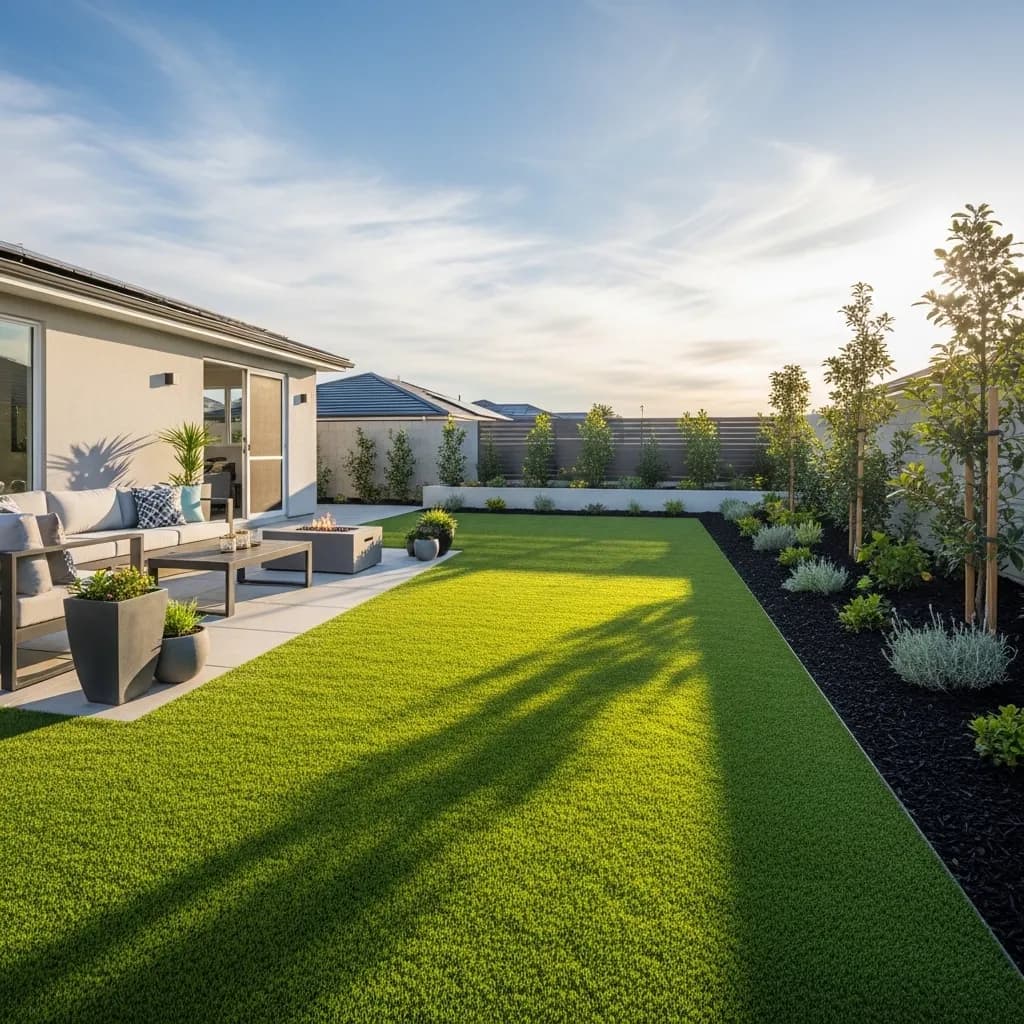
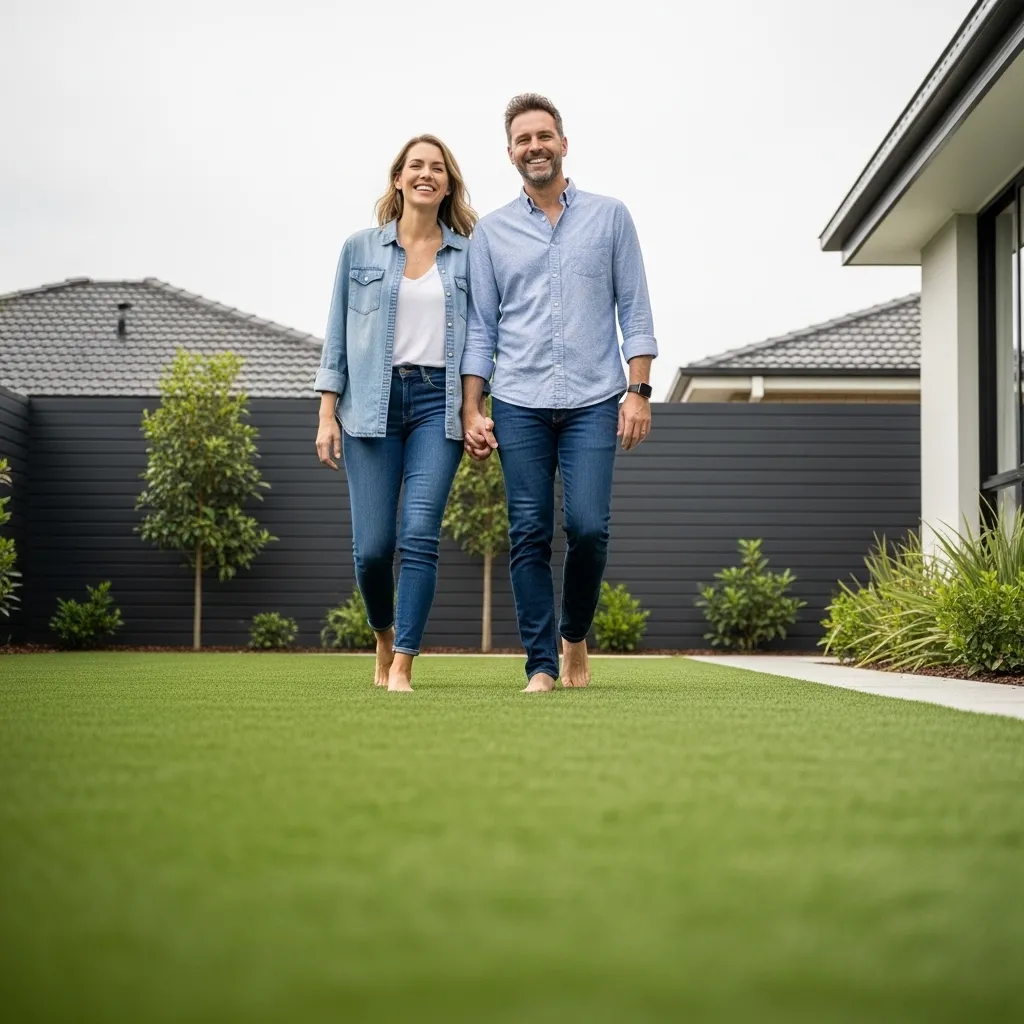
For most residential landscape lawns, we recommend an S-blade or U-blade at 1.5–1.75" pile height with a 4-color olive/field green/lime blend and thatch. That combination looks realistic in almost any climate.
Compare specific profiles in our product catalog or order free samples — the kit includes a spec card so you can see the exact blade shape under a magnifier.
Pairing With Infill
Blade profile also affects which infill supports it best. See our full infill guide — U-blade and C-blade profiles pair especially well with ZeoFill because they retain the softer feel without matting.