






Why Fall Matters for Artificial Turf
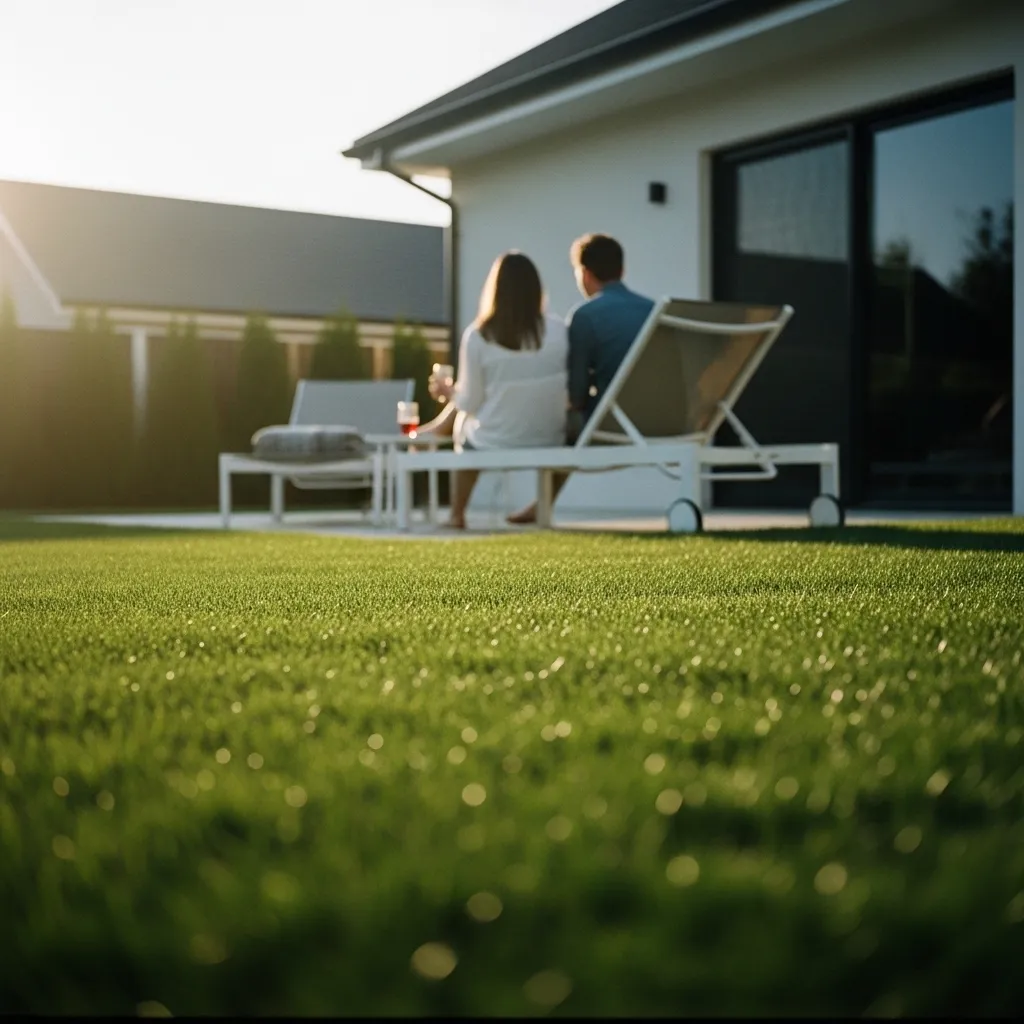
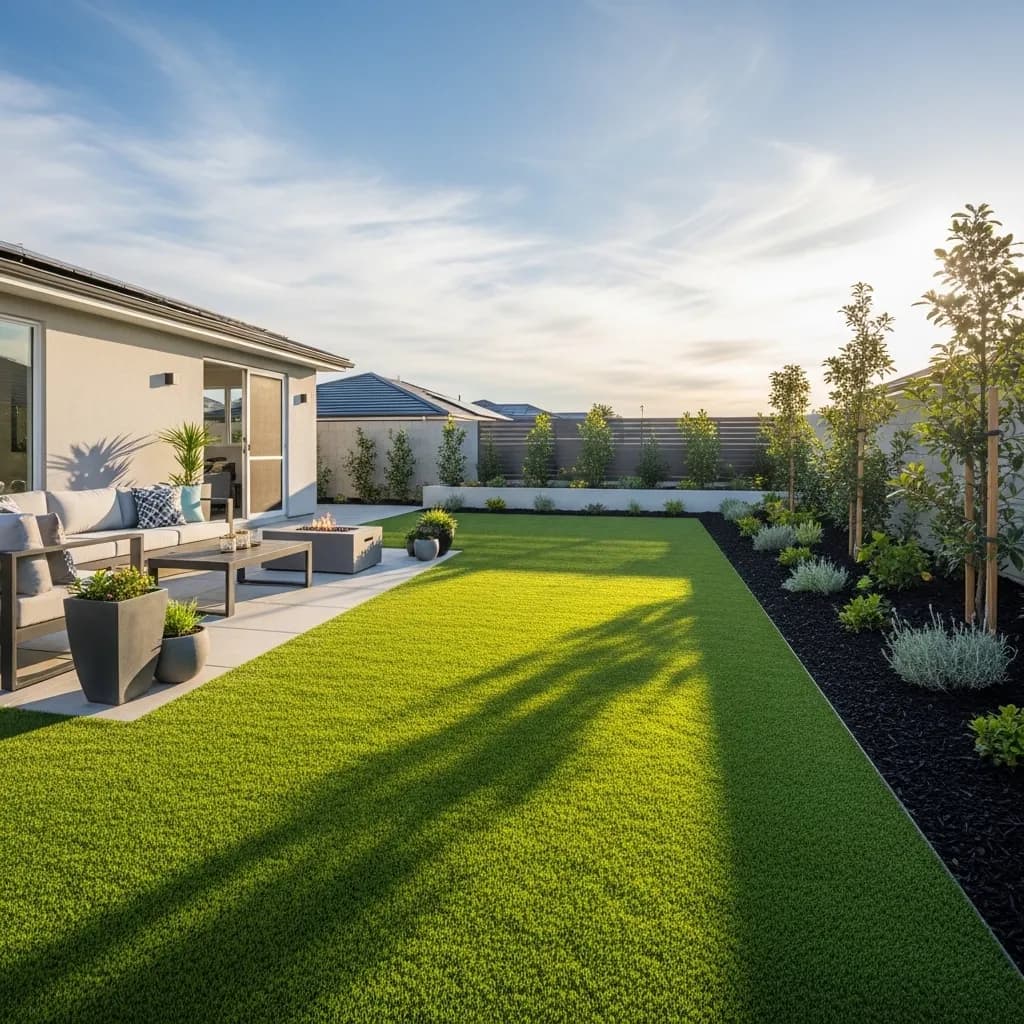
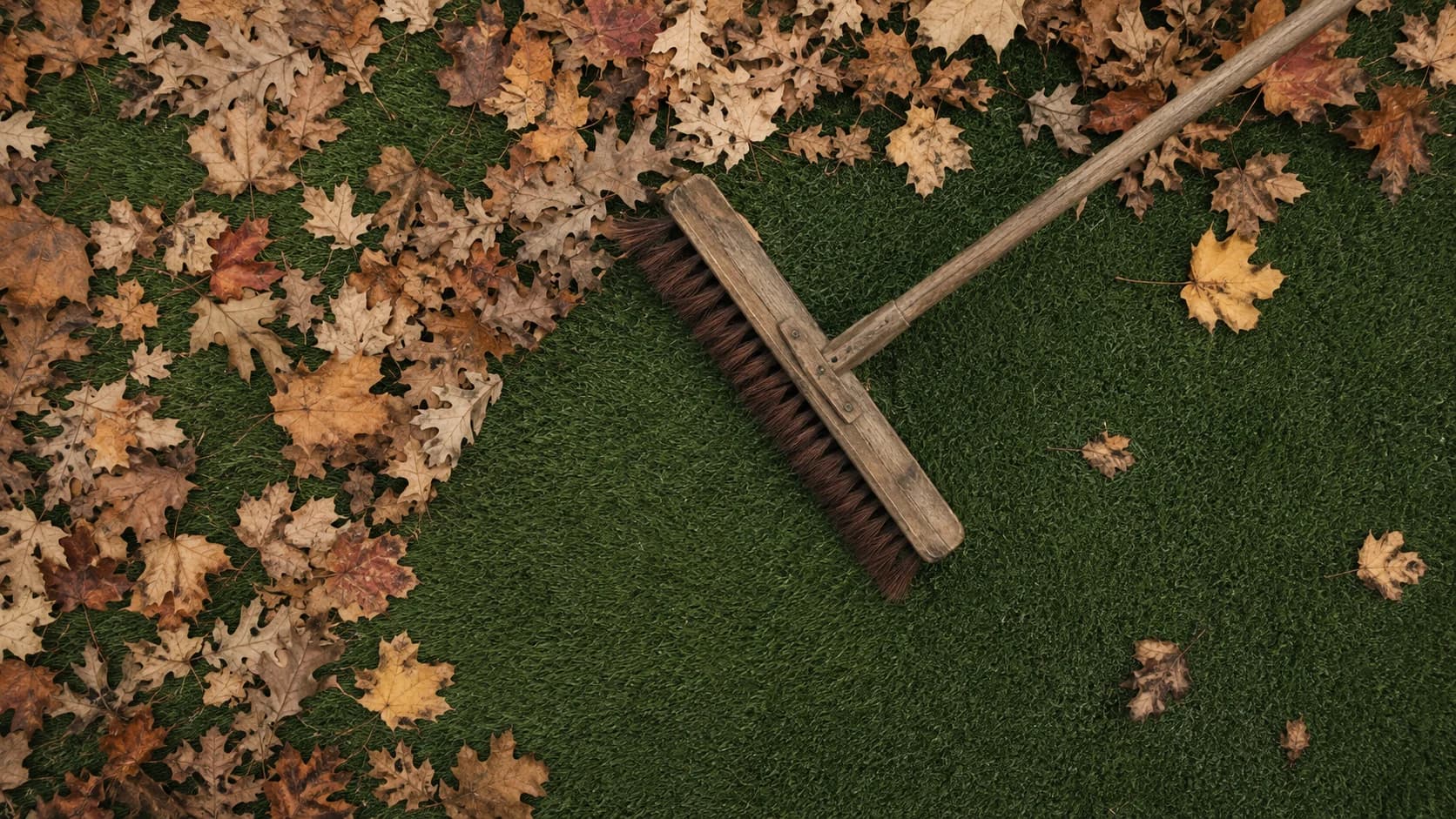
Artificial turf doesn't die back in fall the way natural grass does, but it still needs seasonal attention. Fallen leaves trap moisture, feed mold, clog drainage, and eventually break down into an organic layer that supports weeds. Ten minutes now saves hours next spring.
The 6-Step Fall Prep Checklist
1. Blow It Weekly
A cordless leaf blower on the lowest setting is your best friend. Avoid metal-tine rakes — they snag and pull turf fibers loose.
2. Remove Acorns and Pine Cones
Small, hard debris works its way into the infill and shows up under bare feet next summer. A stiff push broom lifts them out fast.
3. Rinse Off Pollen and Sap
A garden-hose rinse removes late-season pollen and any tree sap that would otherwise harden. Adjust to your climate — if you're in Seattle or the Pacific Northwest, you may need to rinse monthly through the wet season.
4. Inspect Seams and Edges
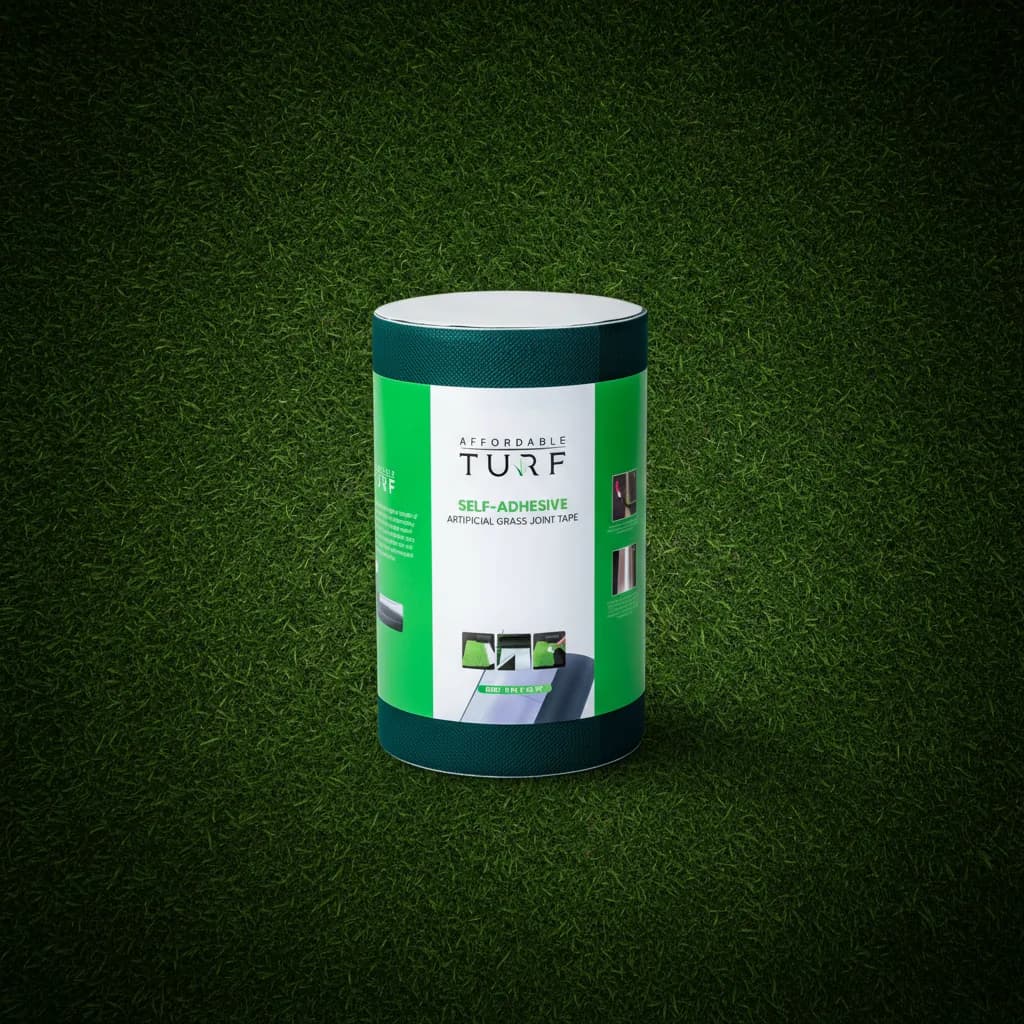
Cooler temperatures cause slight contraction. Walk your perimeter and re-nail any edges that have lifted. See our full installation guide for the correct nailing pattern.
5. Top Off Infill
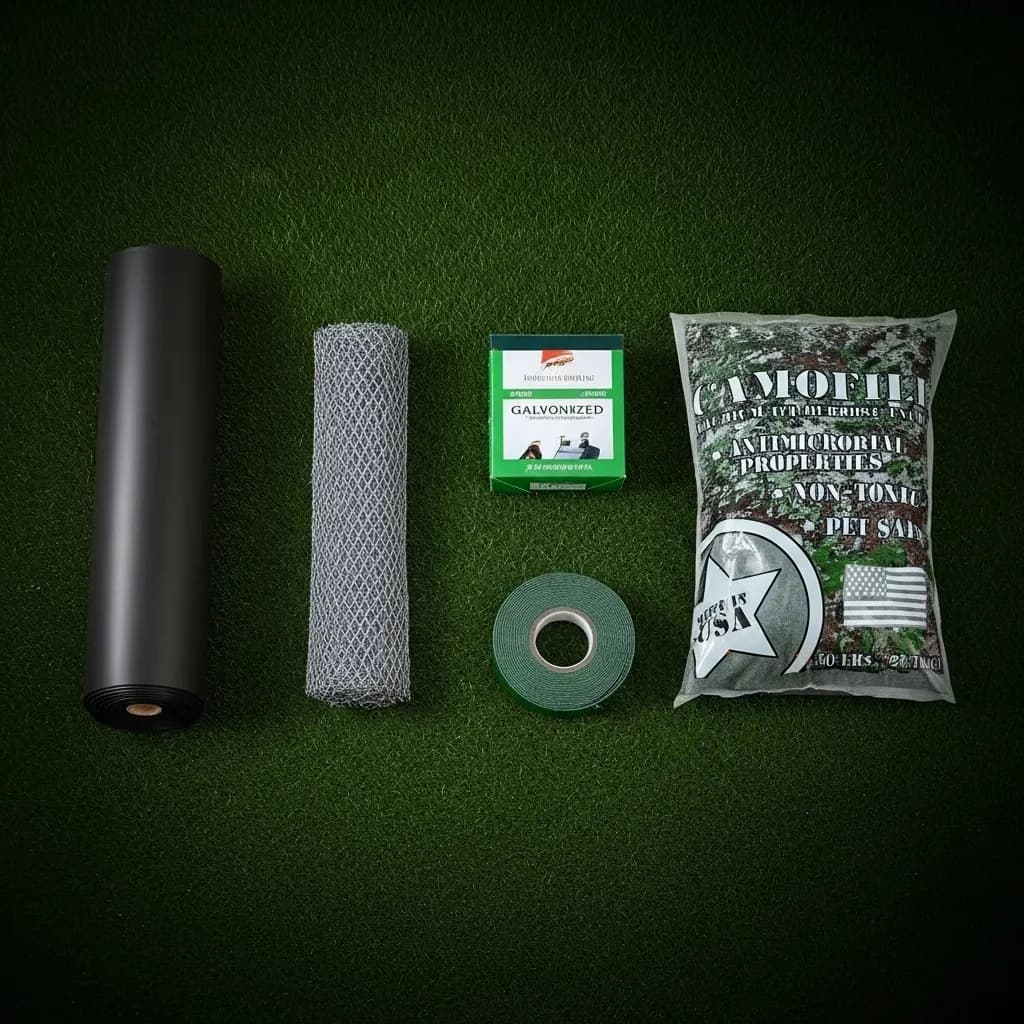
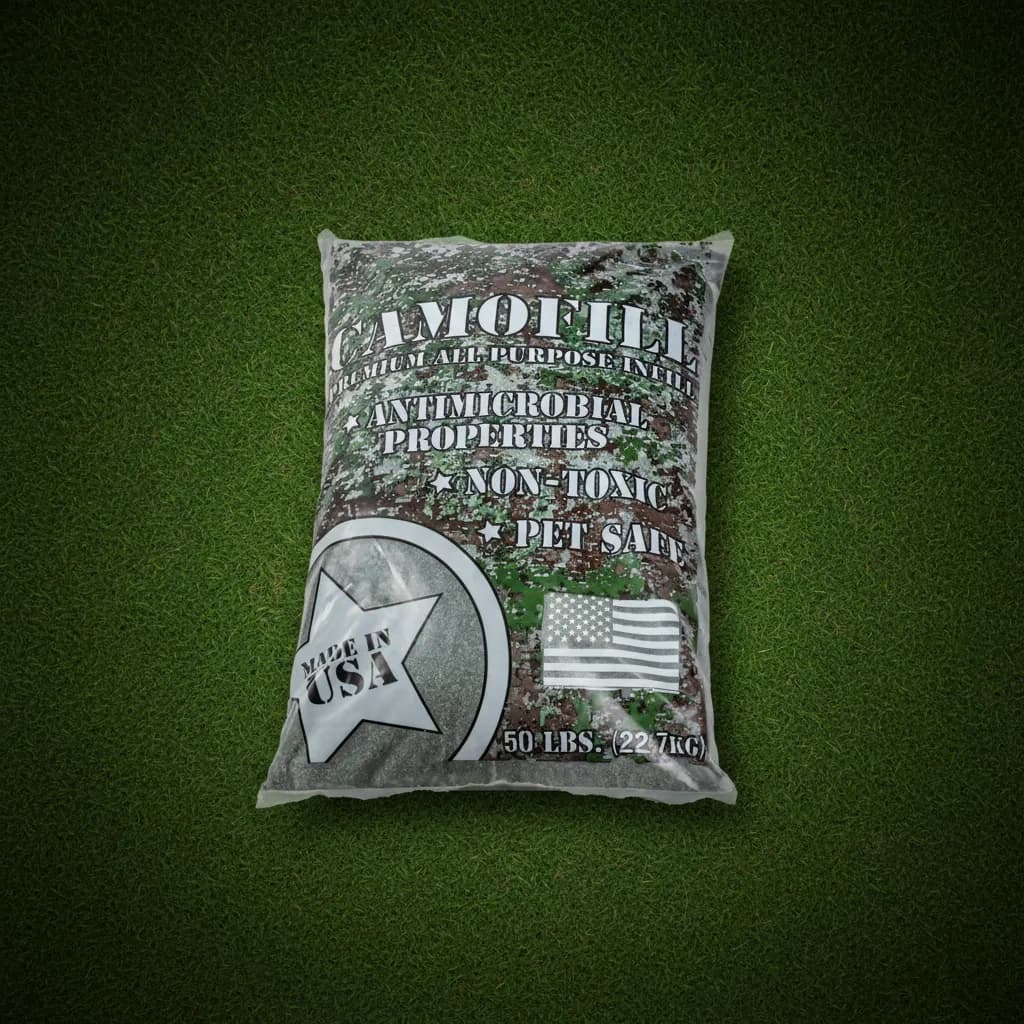
Foot traffic and wind slowly displace infill. Fall is the ideal time to add a light coat of silica sand or ZeoFill and brush it in. This keeps blades standing upright and improves drainage before winter rains hit.
6. Power-Brush High-Traffic Areas
Pet runs, kids' play zones, and pathways get matted first. A power broom restores the pile and redistributes infill in one pass.
What to Avoid
- Never use a metal rake or rototiller near turf edges.
- Skip harsh acidic or bleach-based cleaners — they can degrade the polyethylene fibers.
- Don't pressure wash at high PSI. A gentle rinse is enough.
Extra Care for Trees and Shrubs
If you have deciduous trees near your turf, the Arbor Day Foundation recommends deep-watering trees in fall so their root systems don't compete with your turf sub-base for moisture in dry autumns.
Ready for Winter?
Once you've completed the fall checklist, your turf is set for winter — no watering, no mowing, no fertilizing. If a section looks tired after 8+ years, get free samples to compare replacement options, or use the calculator to price a fresh install.